
Once again, Missy had chosen the most excellent place to show me! The Worcester Art Museum (WAM), is easily the best little museum that I have ever had the pleasure of experiencing. As museum’s go this little gem is on the smaller side, but houses thousands of works of art spanning centuries and from all over the world. The immersion into art starts the minute that you check in and walk into the main hallway. The tiled mosaics on the floor and wall set off the modern art mural, featured above.
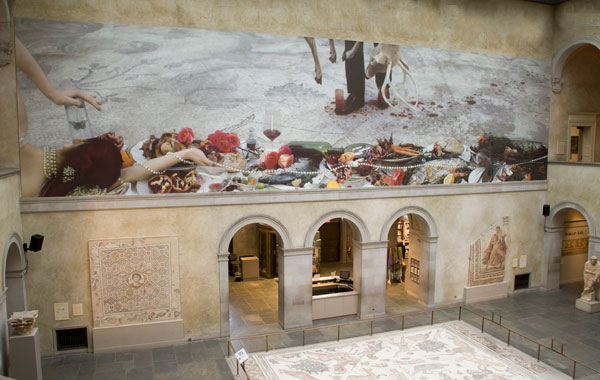
“The collaborative husband and wife team of Robert and Shana ParkeHarrison has been commissioned to create the 10th mural for the Museum’s Wall at WAM series. Their staged photography involves performance, sculptural props, elaborate backdrops, and digital technology. Sepia-toned images from their critically acclaimed series, The Architect’s Brother (1993-2005), raised questions about Earth’s vulnerability, human responsibility, and destiny. Subsequent work has displayed an overt and expressive use of color, surrealistic imagery, and more open-ended narratives that explore the interconnectedness of nature, humans, and technology.
The Wall at WAM mural is installed on a second-story, 67-foot expanse situated in the most public of the Museum’s galleries, a faux Renaissance-style court, and overlooking a 6th-century Roman mosaic from Antioch. The ParkeHarrison’s inkjet mural, These Days of Maiuma, with its iconography of the remains of a grand feast and its themes of contemporary wealth, decadence, and disregard for the environment, is intended to be a visual and conceptual counterpoint to the Worcester Hunt mosaic. The floor mosaic was once the site of many a feast by Antiochenes in an ancient city known for its lifestyle of sophistication, affluence, and excess. Both compositions, although separated in time by 15 centuries, are characterized by a complex embrace of the real and the imagined and afford us two compelling visualizations of humans’ relations to their world, then and now.”
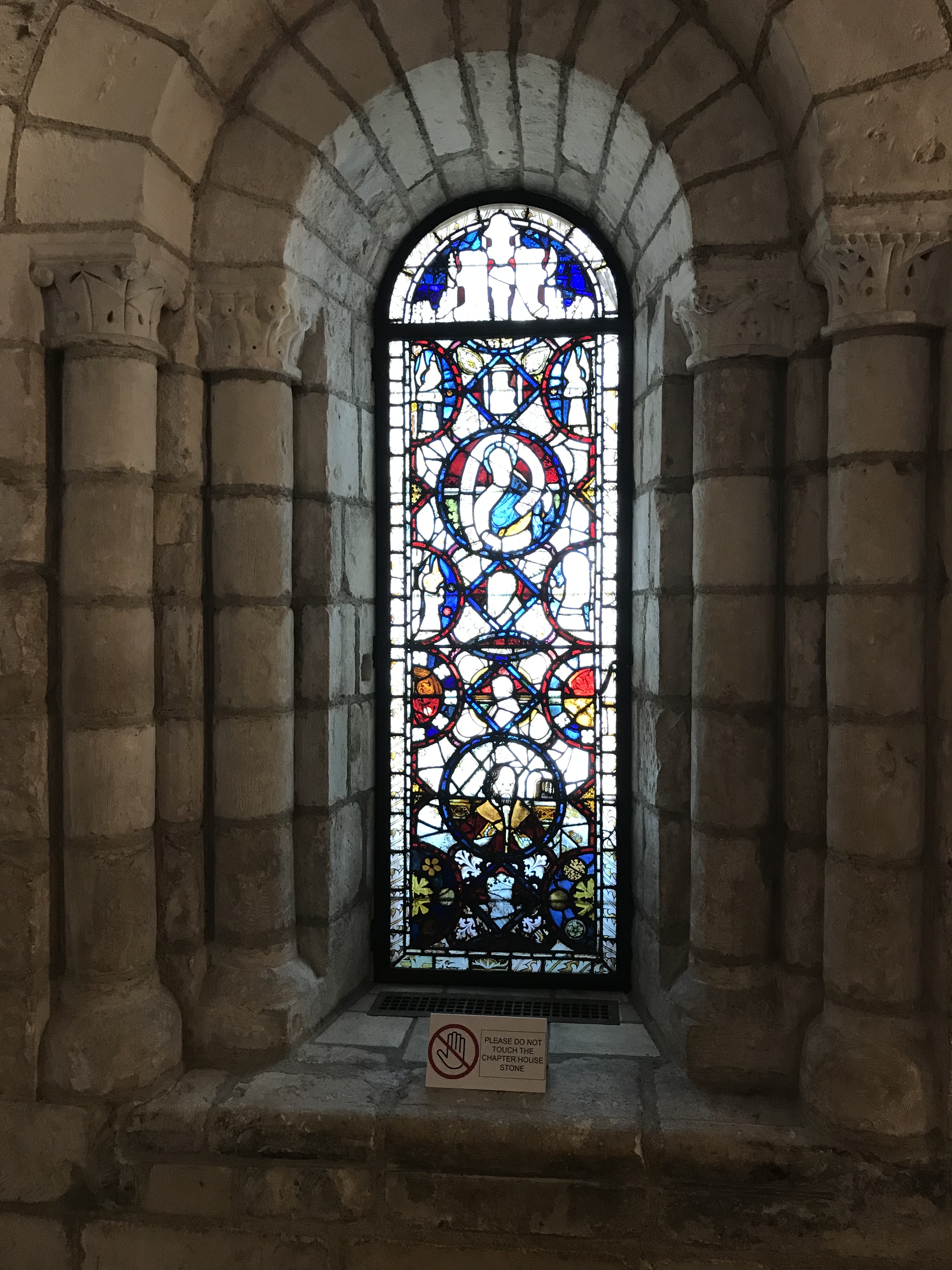
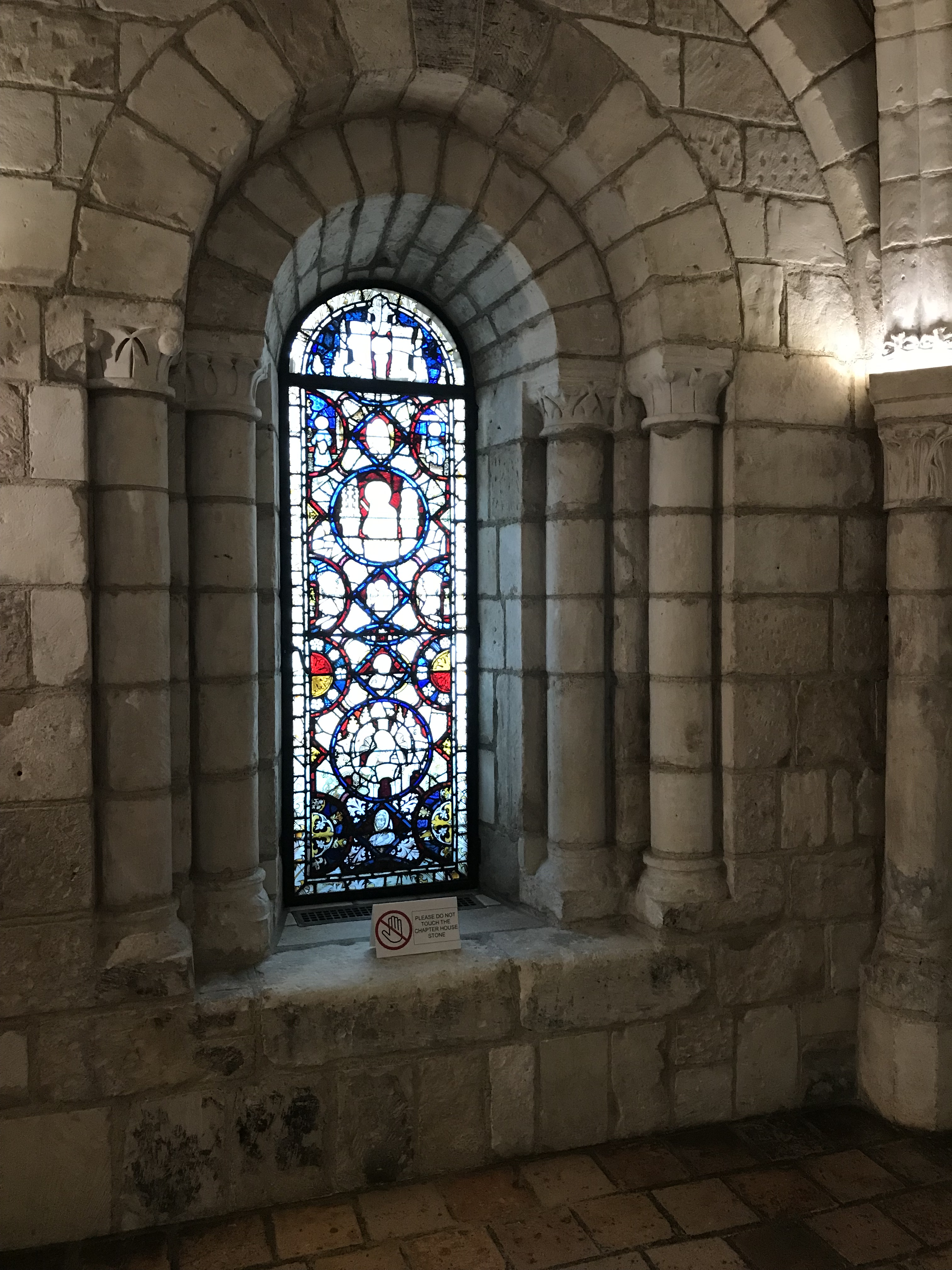

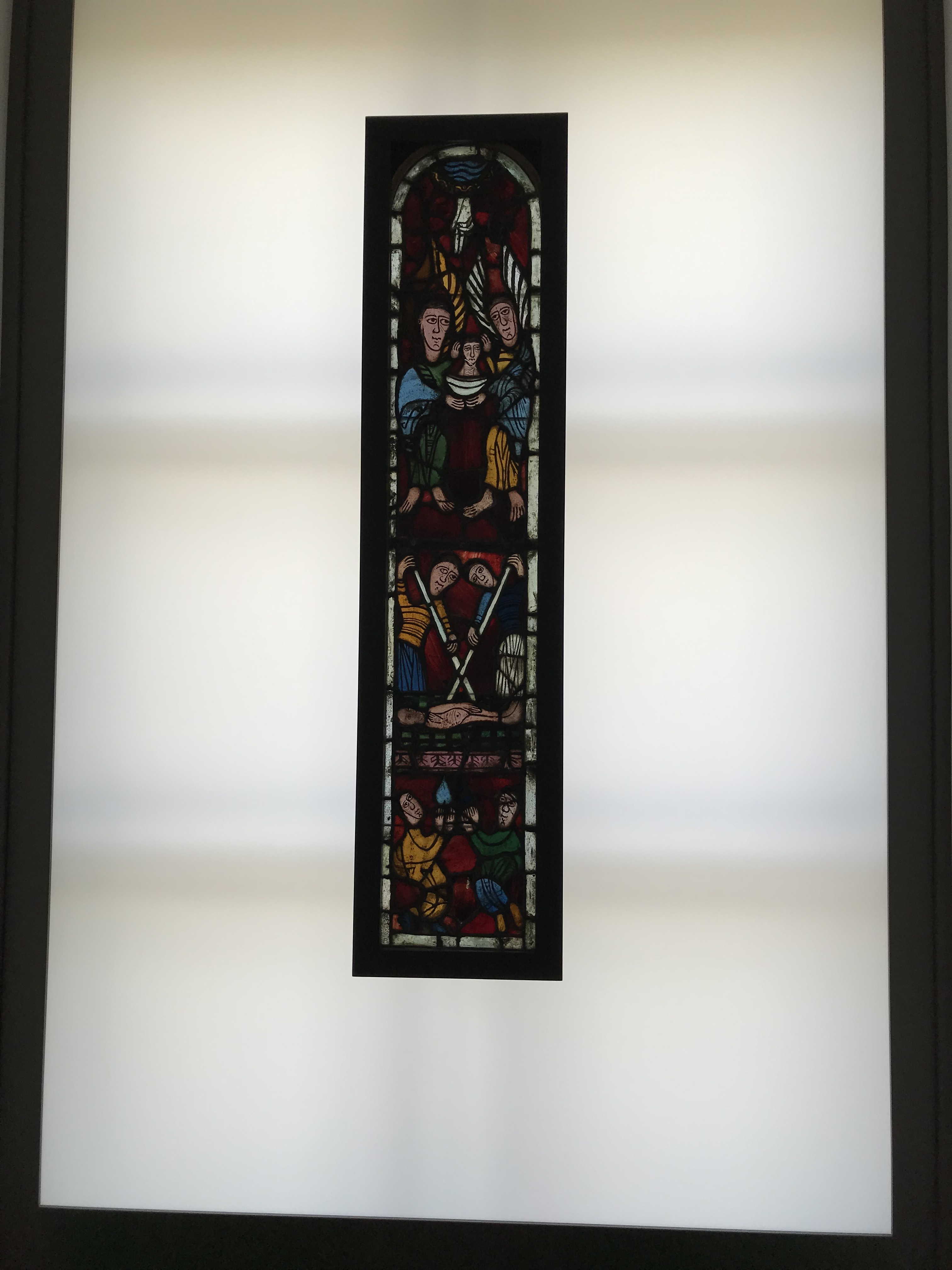
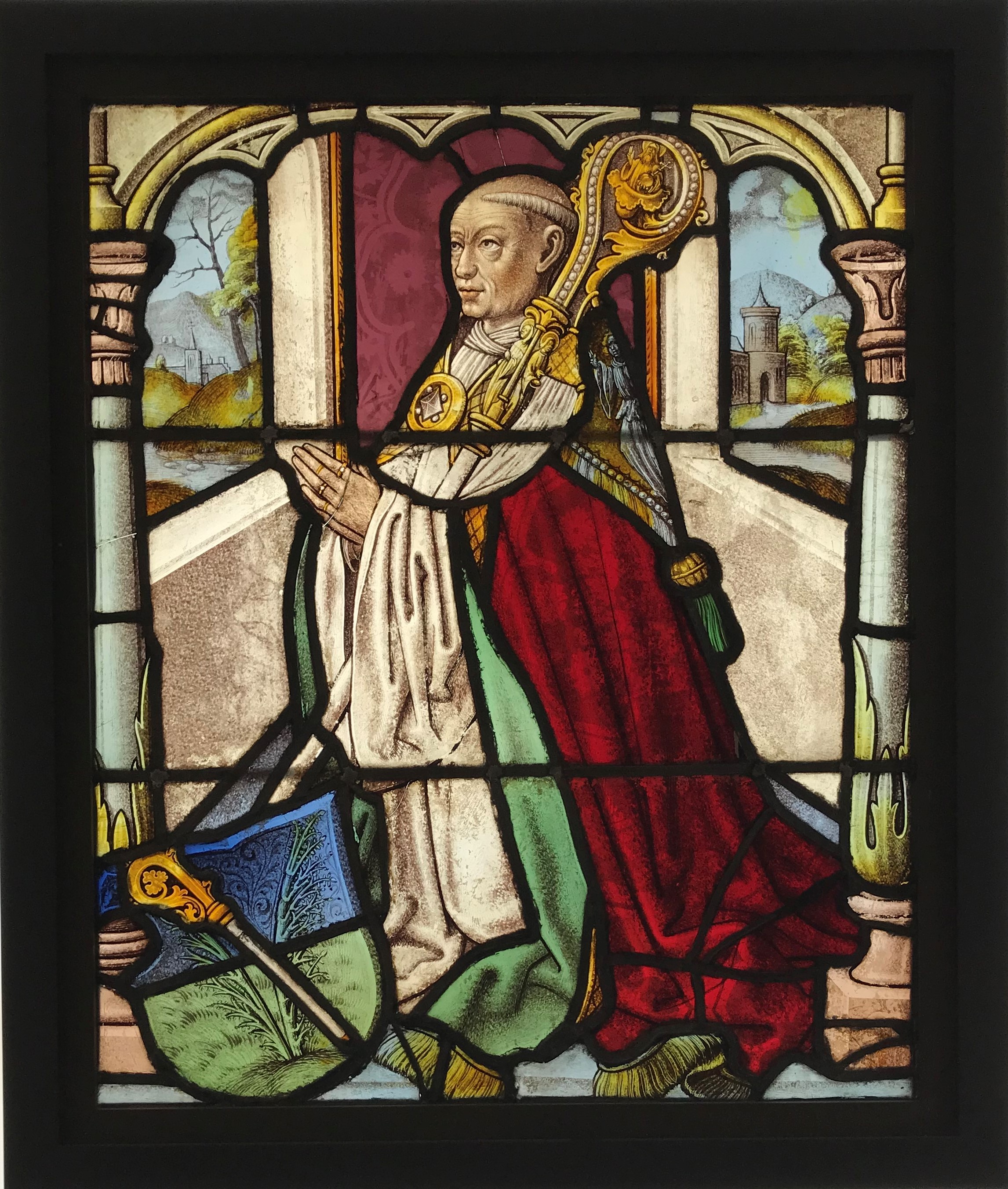
The stained glass was some of the finest, just wish that the best wasn’t also religion based. Imagine how divine it would be if images on the painted glass were of nature, science or real people and settings (pictures above). All of the paintings were interesting and masterful, but some were just special to me for some reason. Out of hundreds of tilted photos that I took, the one below was the first one that spoke to me. Not quite sure what it was saying.

Love and Death – Richard Muller – 1918
Love and Death was painted just after the end of World War I. As an allegory of loss and sacrifice, it evokes Germany’s devastation by war, famine, civil conflict and the Spanish Flu pandemic. Many artist grappled with the war and its aftermath by experimenting with new modes of visual expression. By contrast, Müller, a professor at Dresden’s Fine Arts Academy, turned to techniques and symbols from the Old Masters. Yet the painting also has a Surrealist quality, juxtaposing images that suggest the workings of the subconscious mind: the female nude on a silken throw, the helmet in her lap, the crown of flowers, the skeleton, the river wandering through a paradoxically serene landscape, all depicted with masterful precision and beauty.
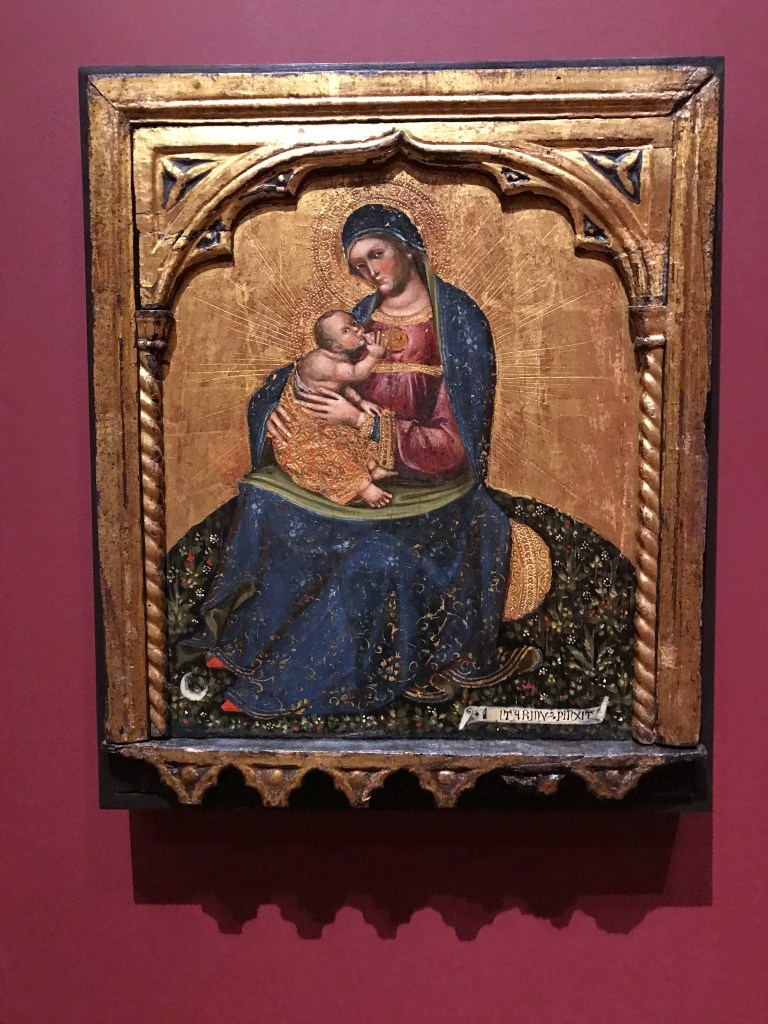
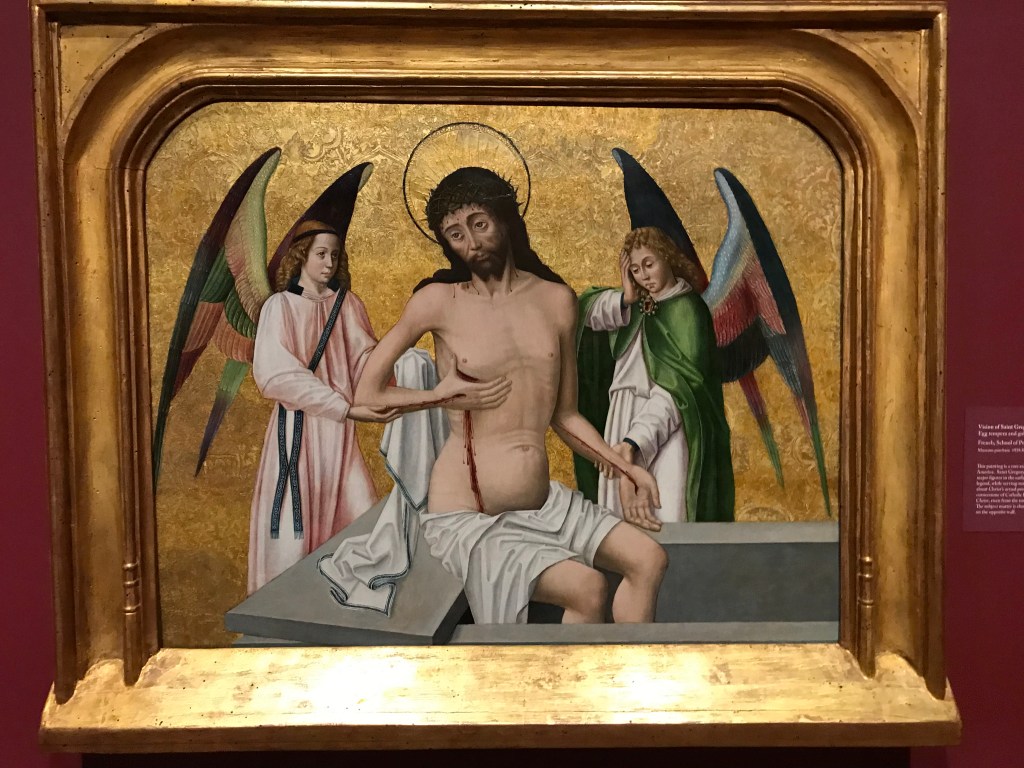
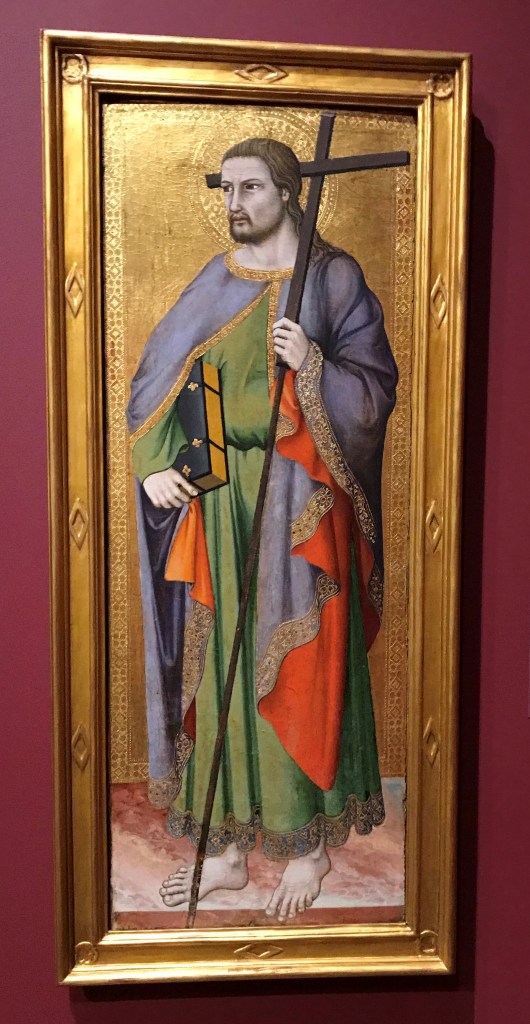
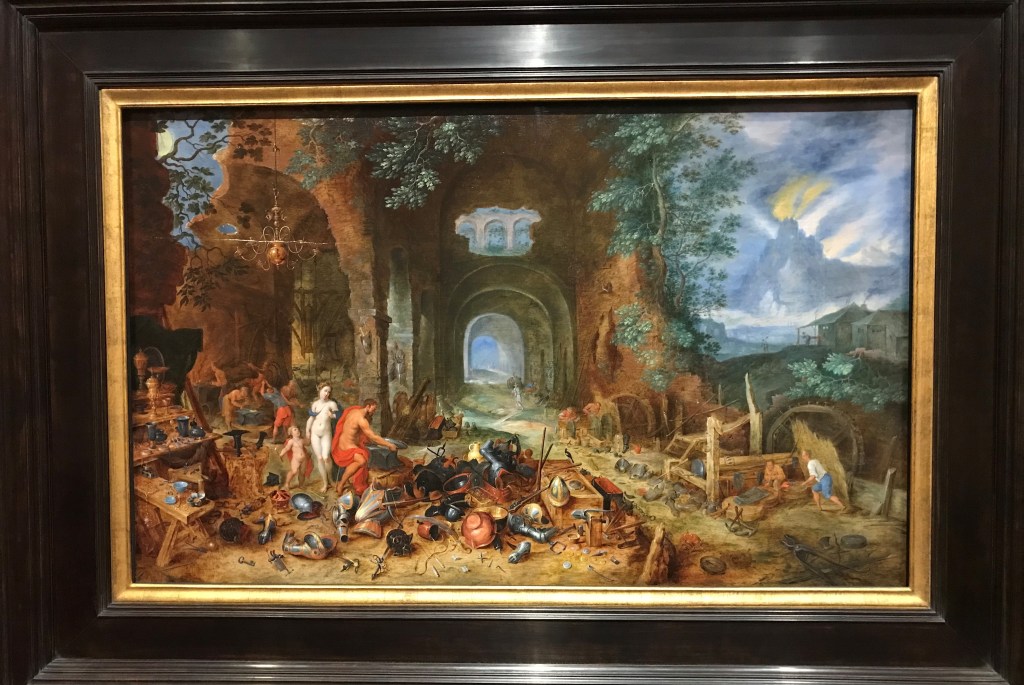
The paintings in the following slideshow are all religious in nature. Ethos aside, the works themselves are incredible, the brushstrokes, shading and detail, even the almost over the top usage of gold leaf, was just jaw dropping. The Repentant Magdalen, by El Greco, fascinated me because of the way her eyes were portrayed. Big, dark and pitiful, I wondered if this was an inspiration for the sad clown, children and animal paintings that were popular when I was a kid.
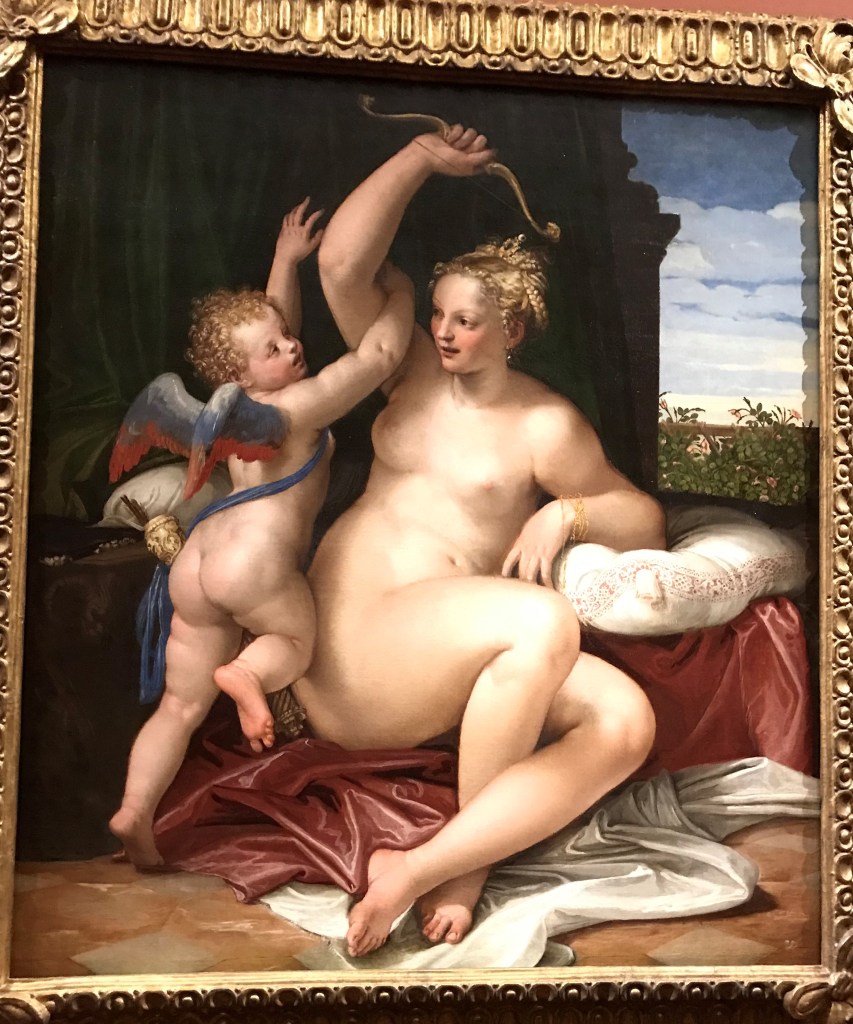
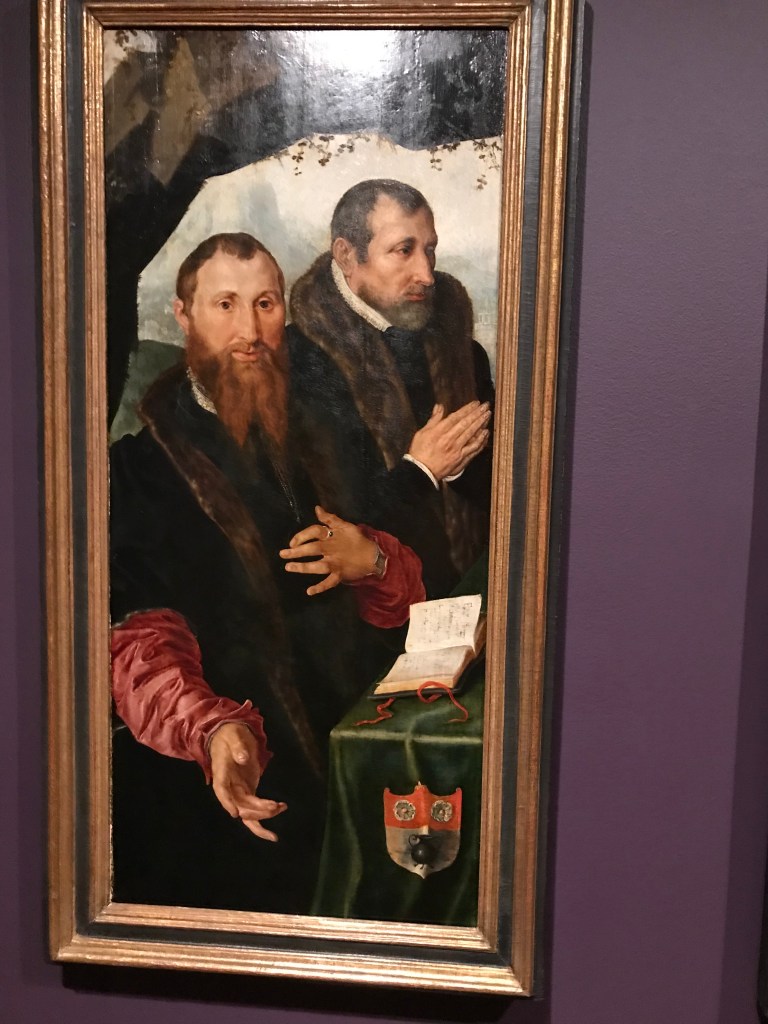
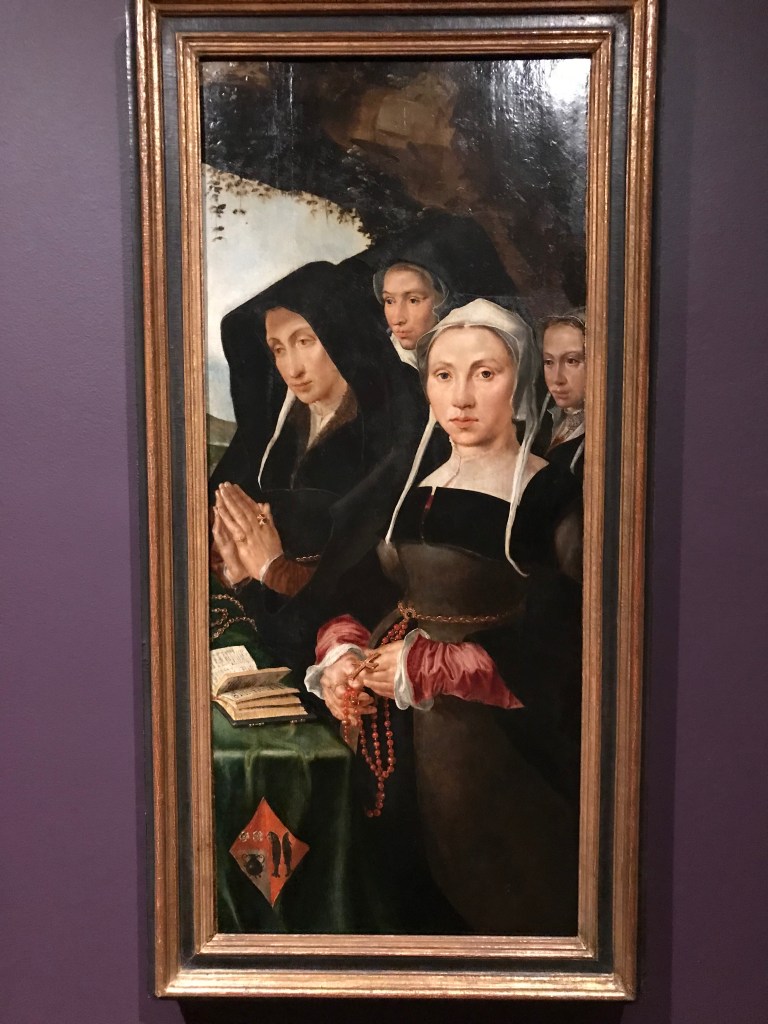



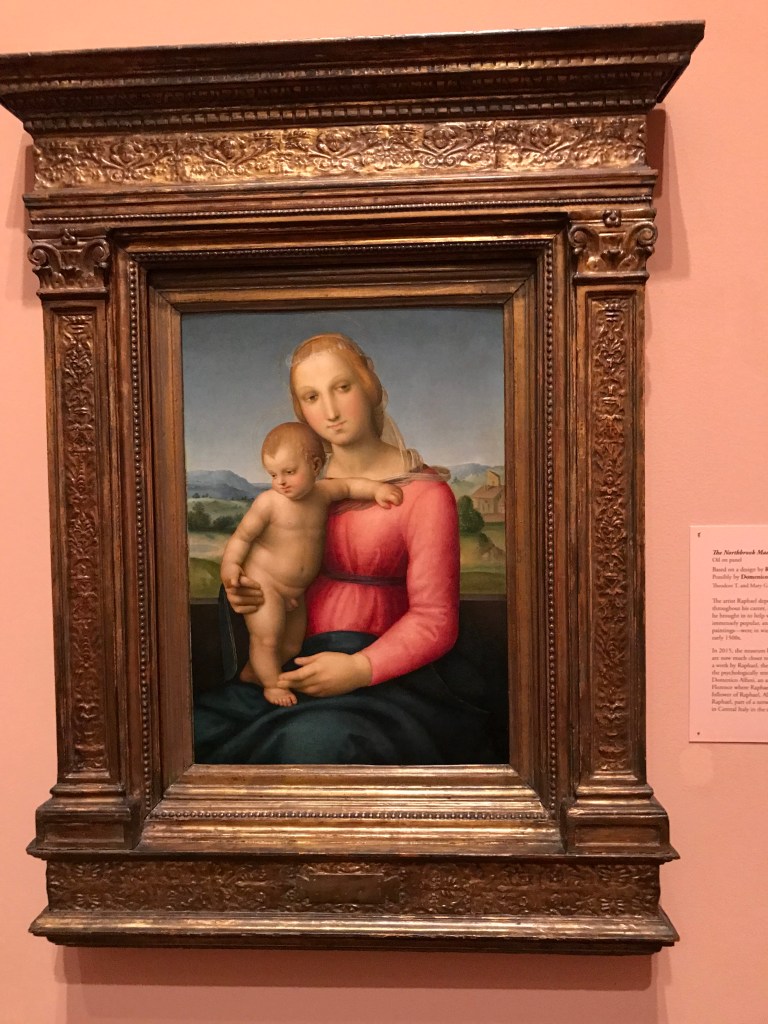

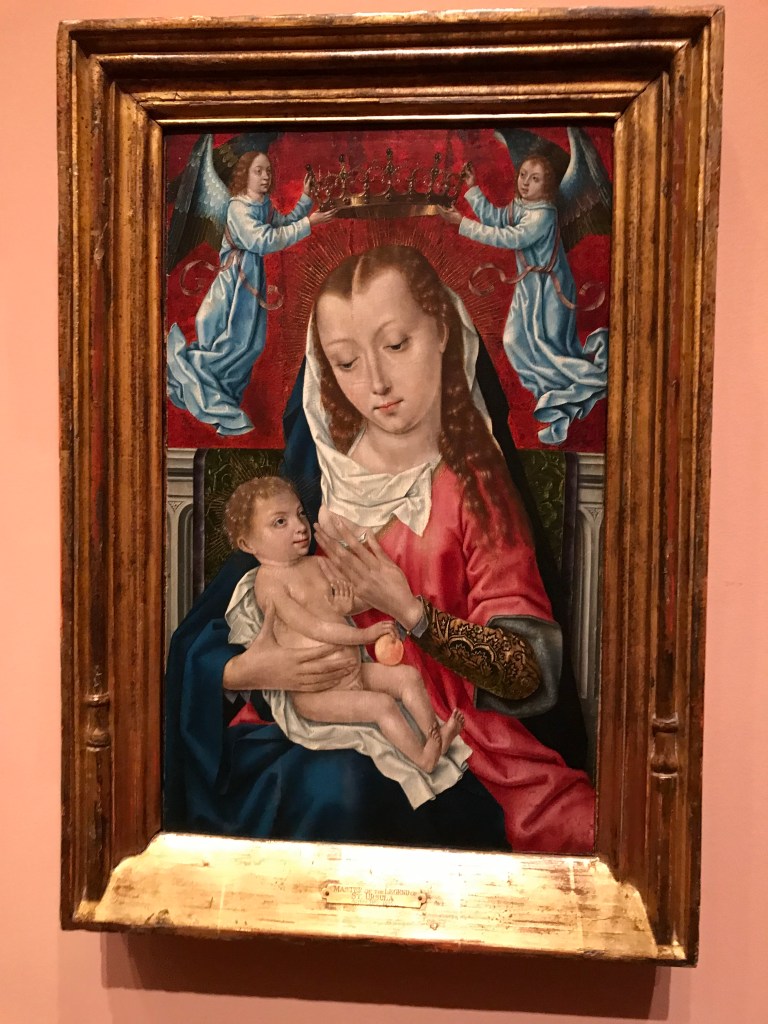
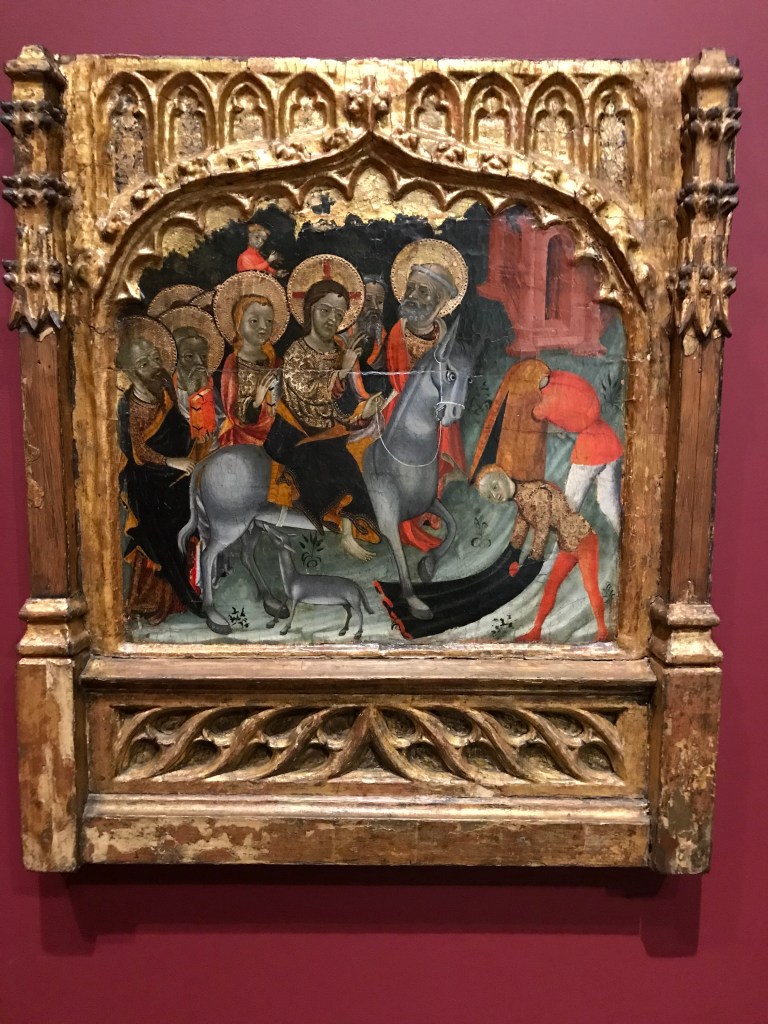
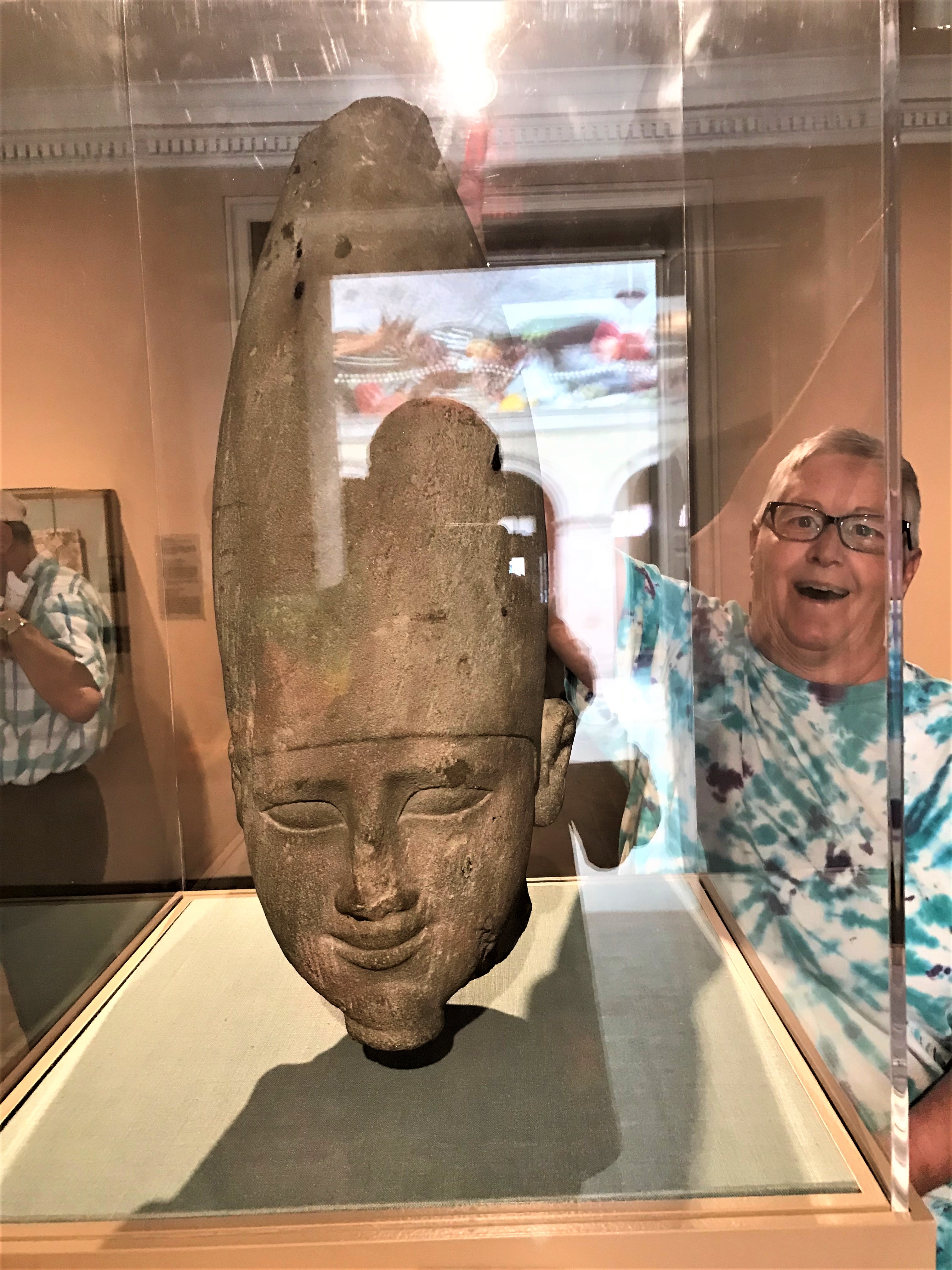
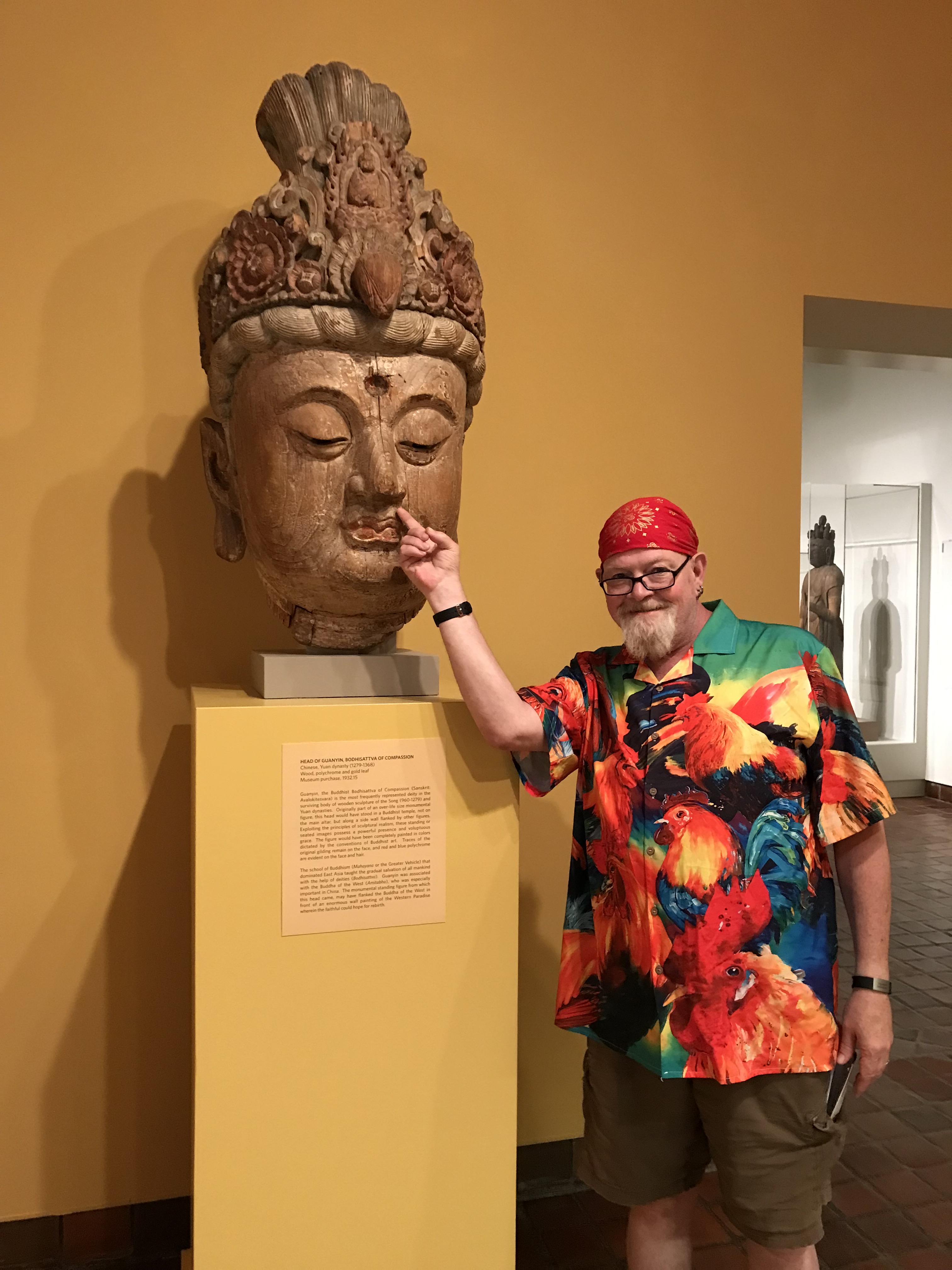
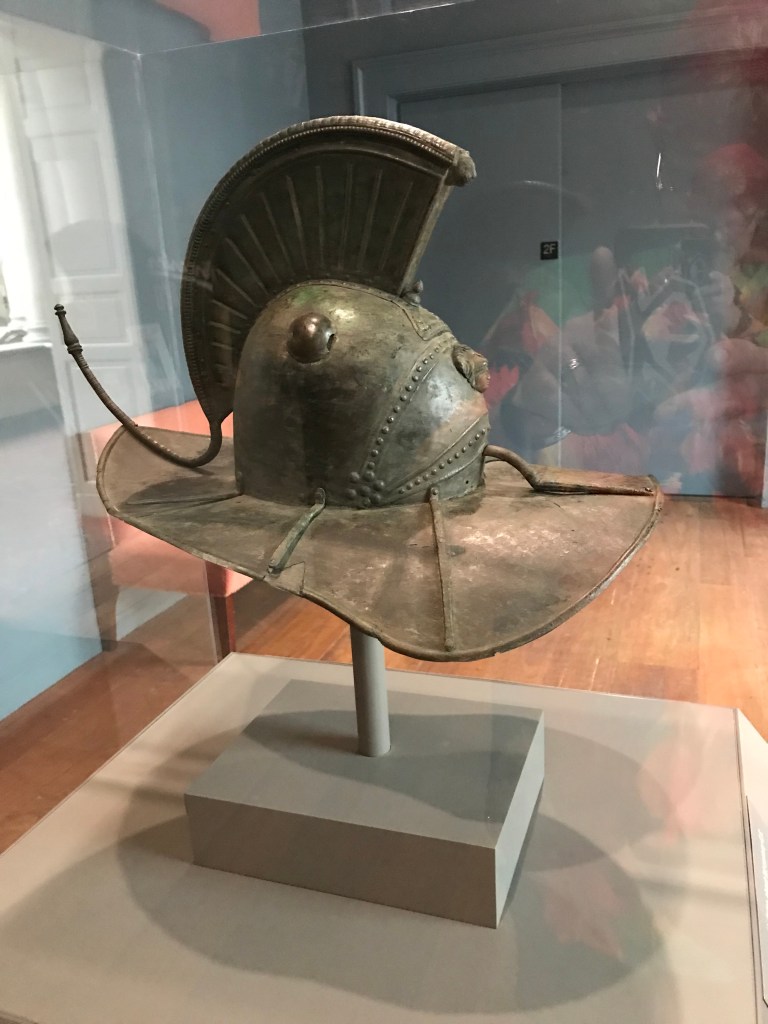
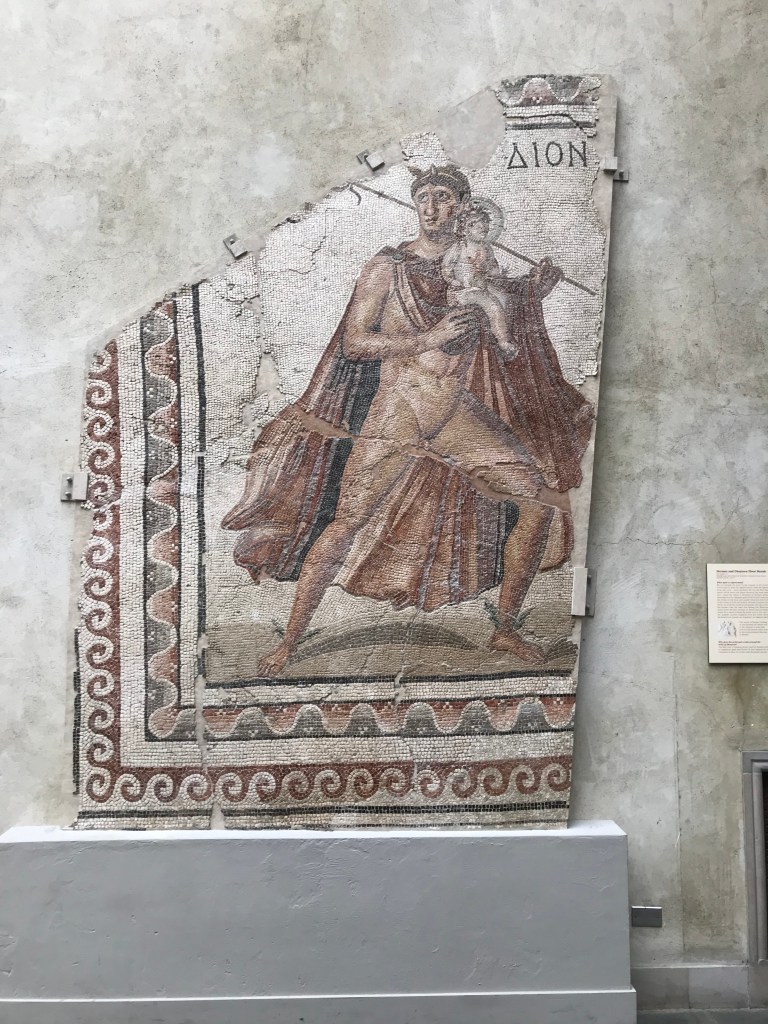
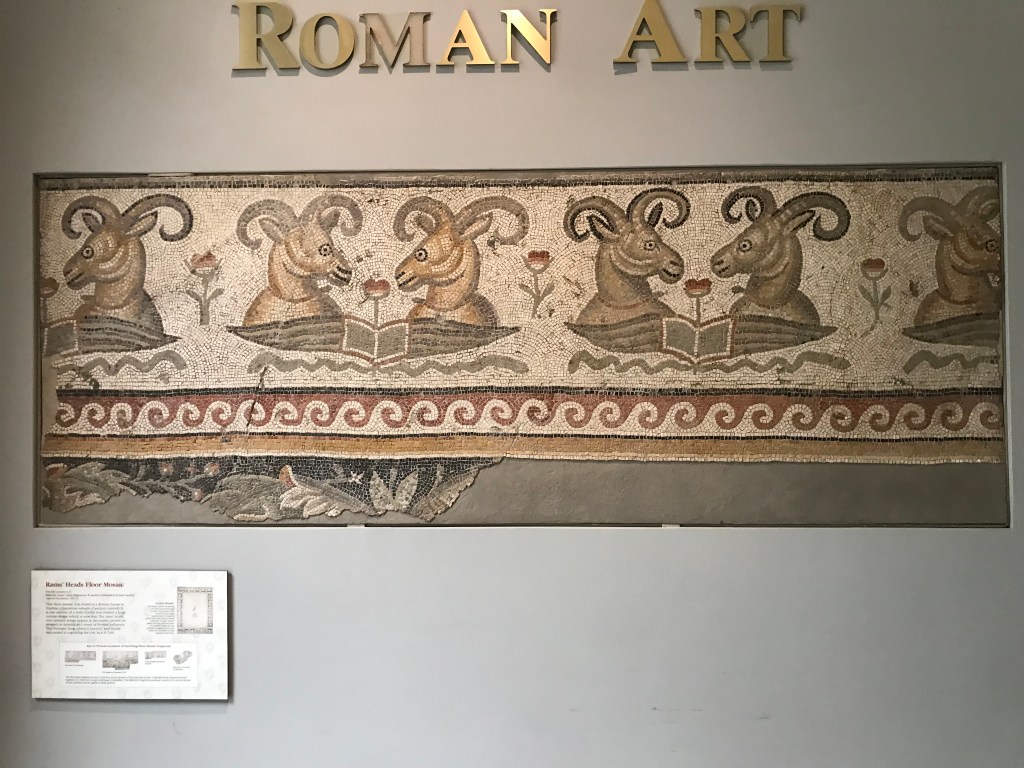
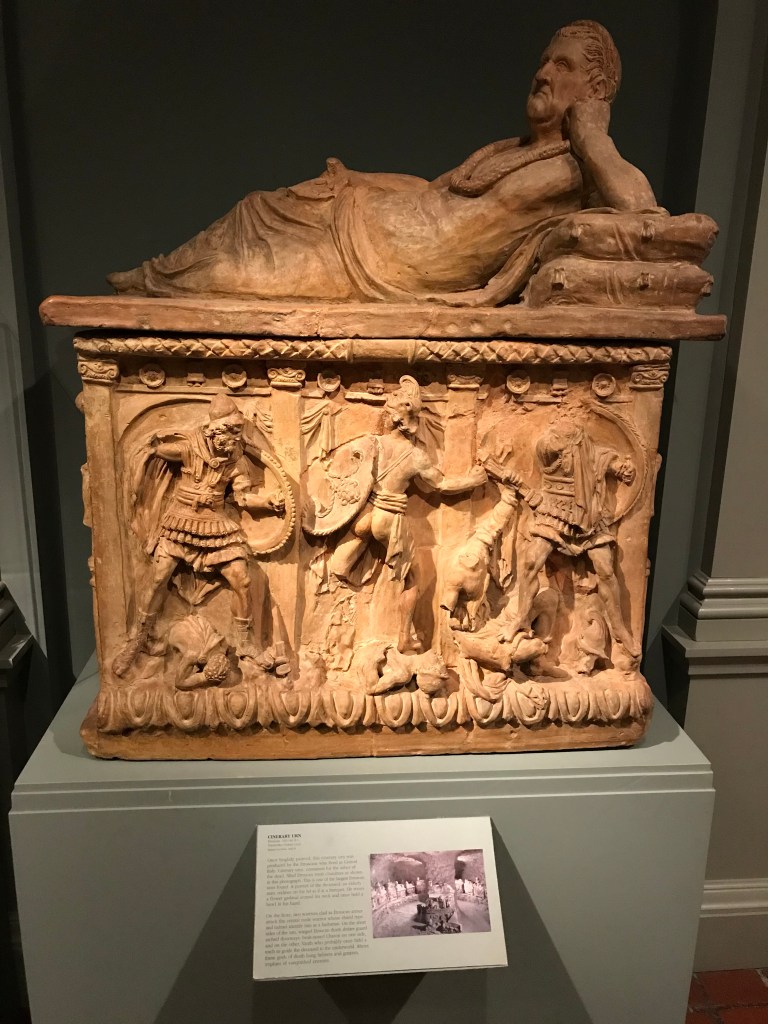
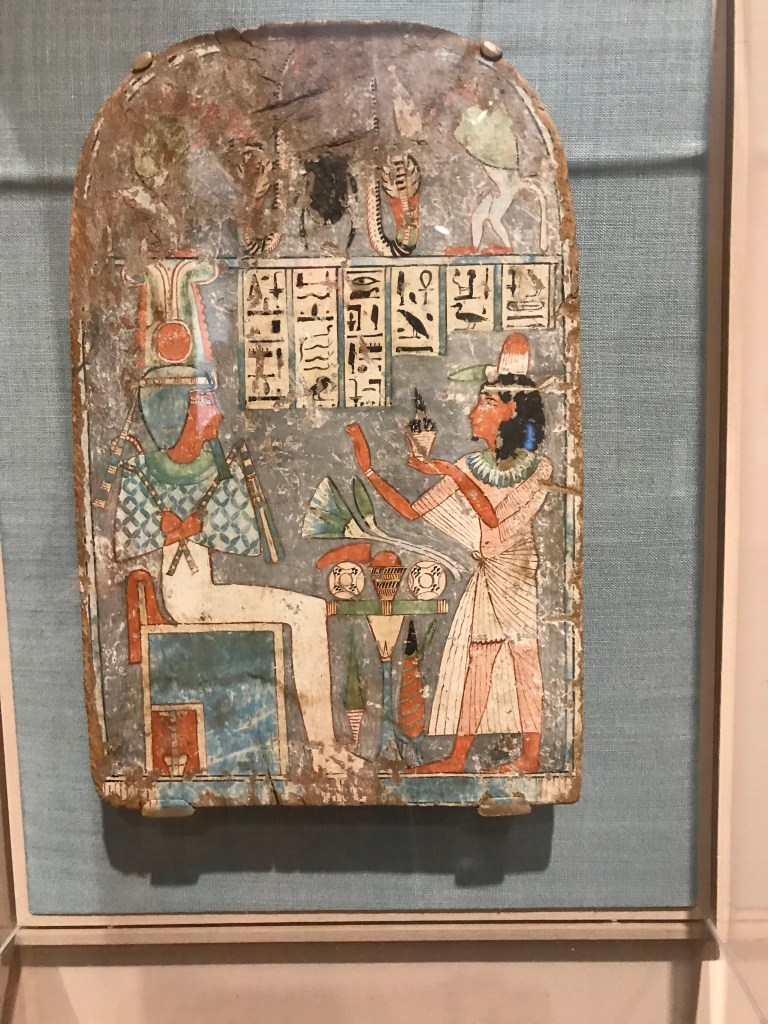
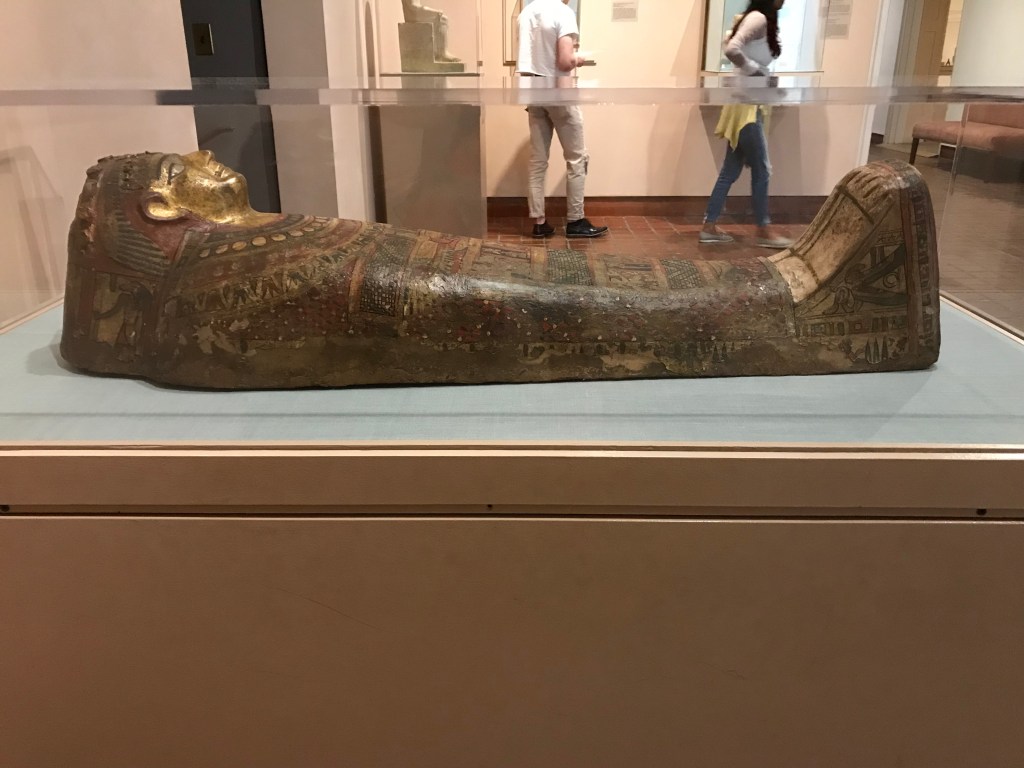
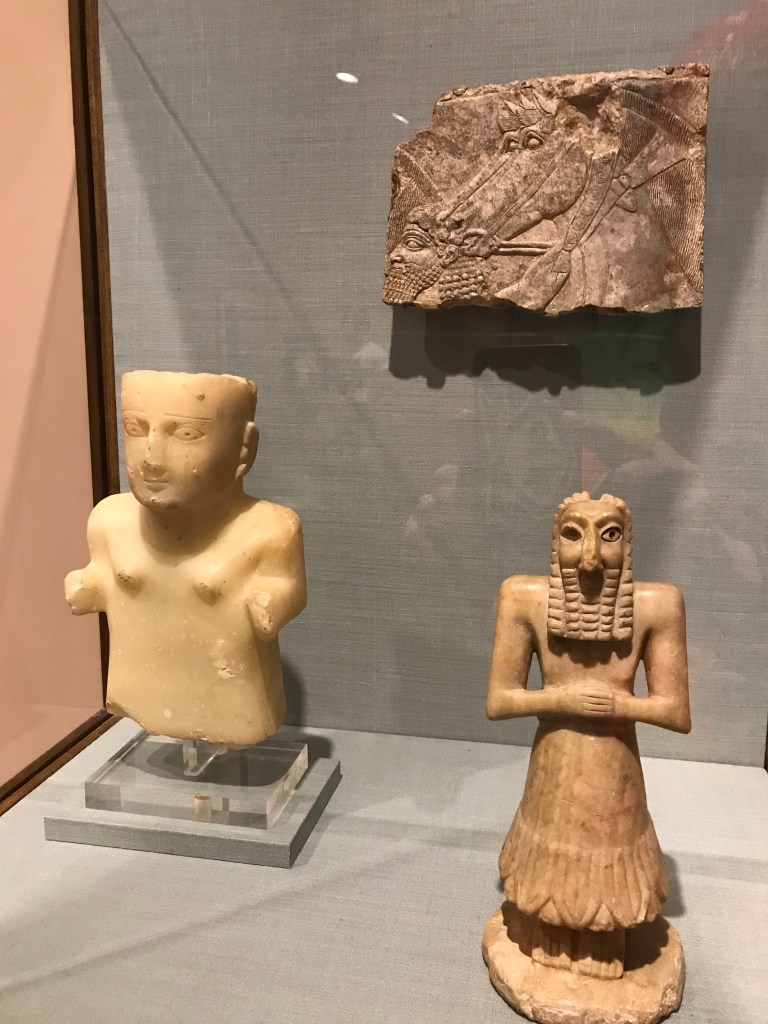
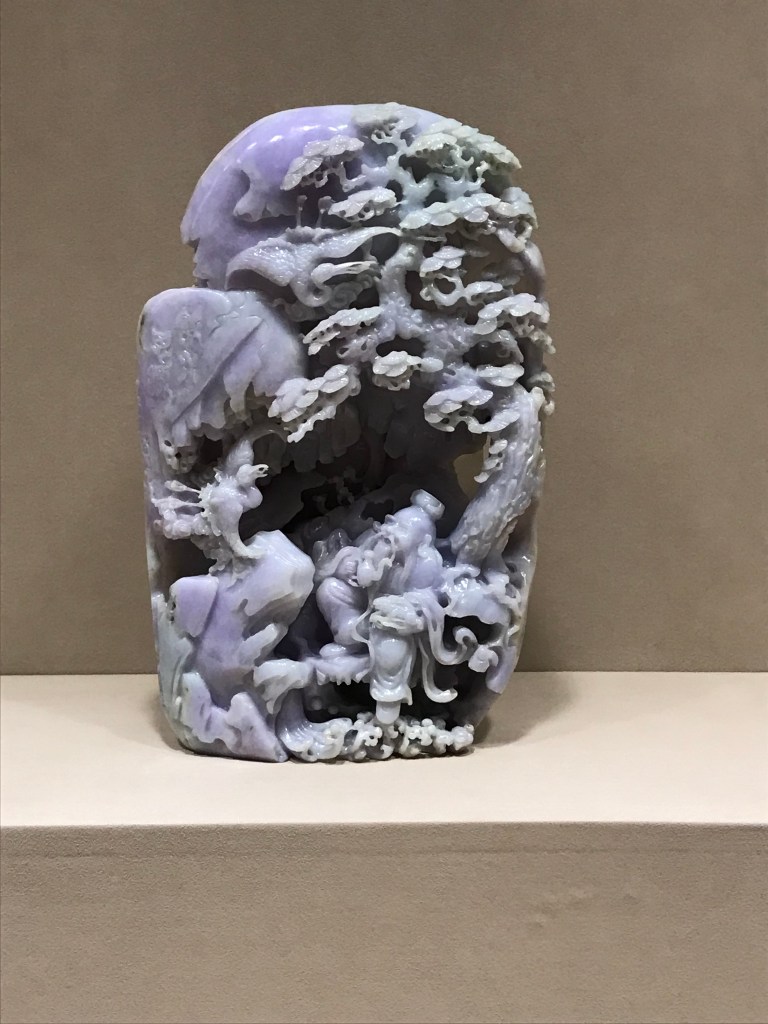
Missy and I had some fun with some sculptures, as seen the next two comparison photos (Missy doing rabbit ears and me getting ready to pick Guanyin’s nose). Animals as subject matter always finds my soft spot, as seen in the gallery preceding the next slideshow. Following the pups you will see many, not all, of the sculptures and artifacts on display from many different countries and eras, including; European, Egyptian, Indian-Hindu, Sumerian, Assyrian, South American, pre-Columbian, Chinese and Japanese.



Another religious painting, but this one has a cute dog in it! 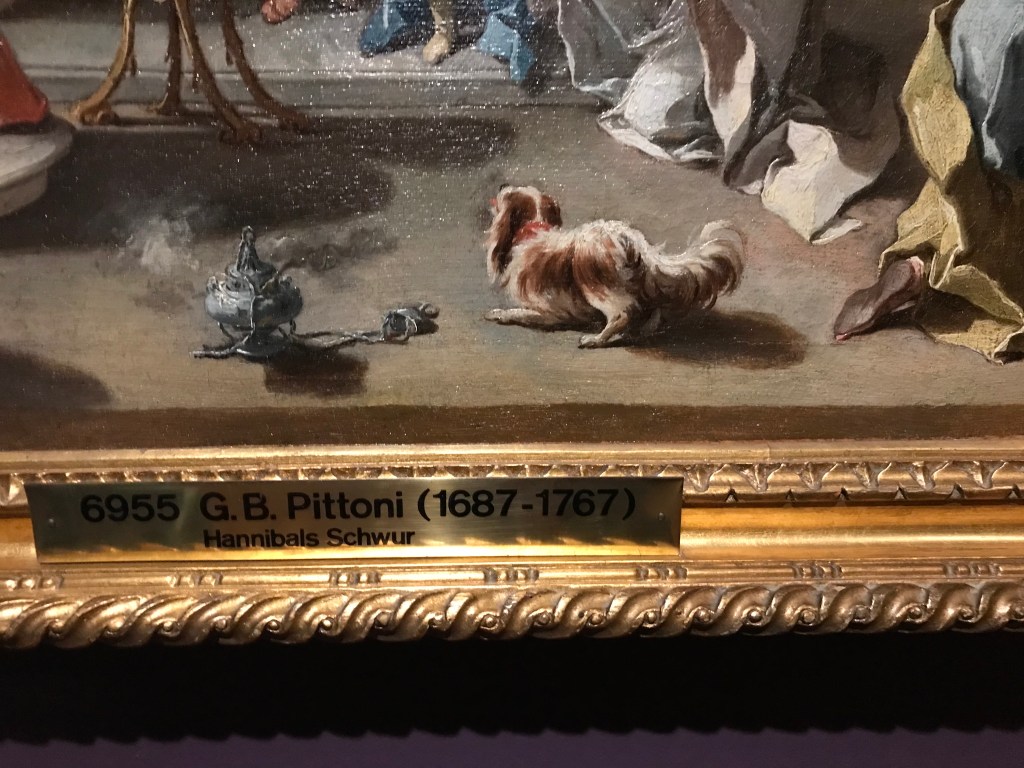
Close up of the adorable doggie. 
Dogs of War?

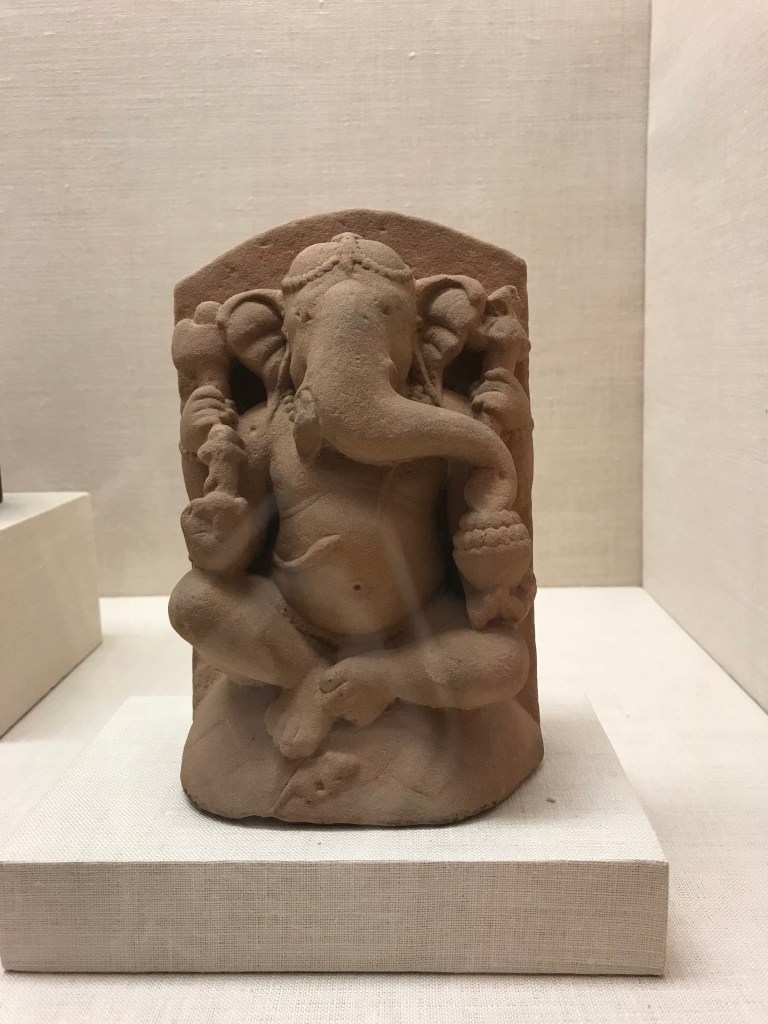
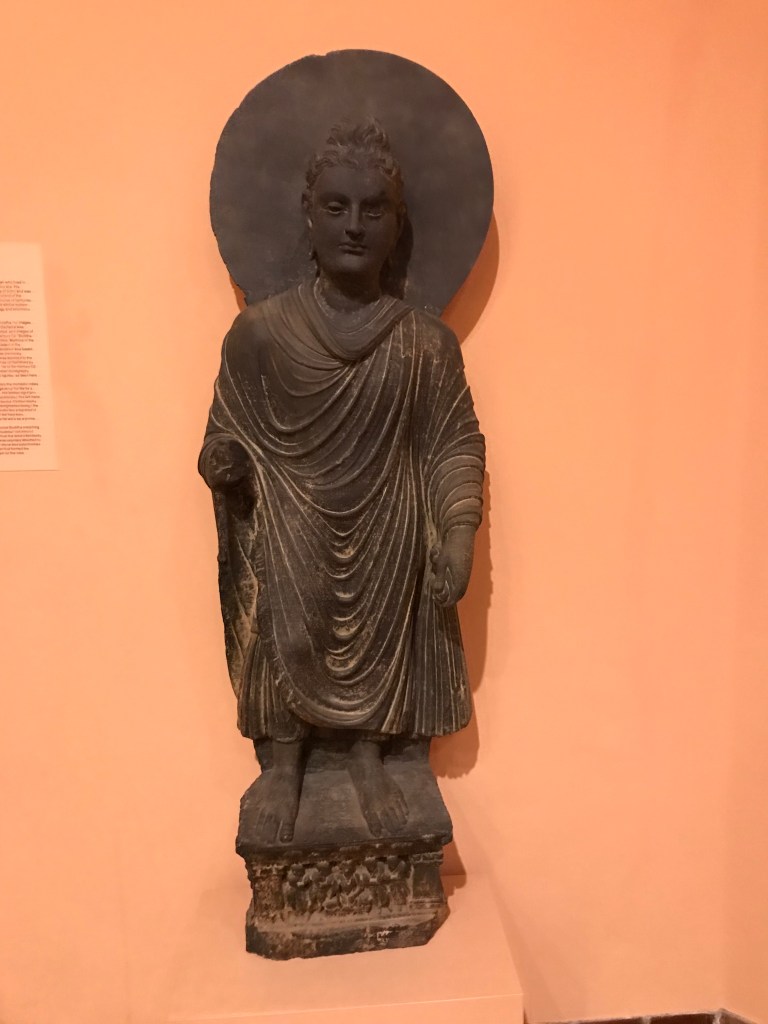



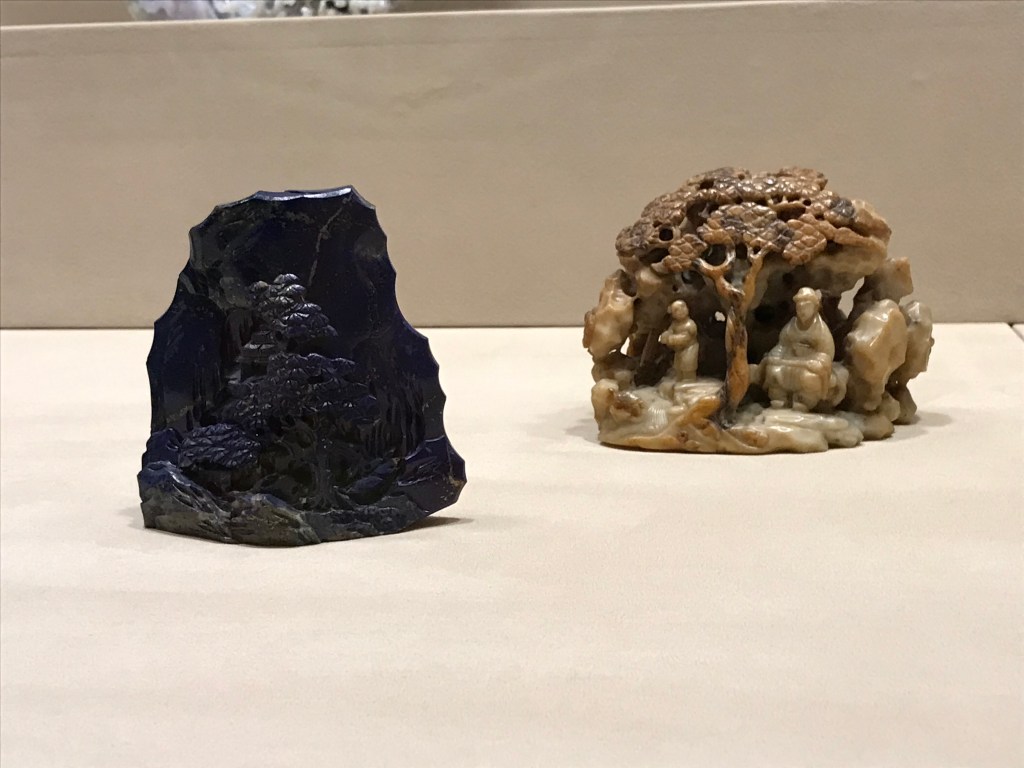
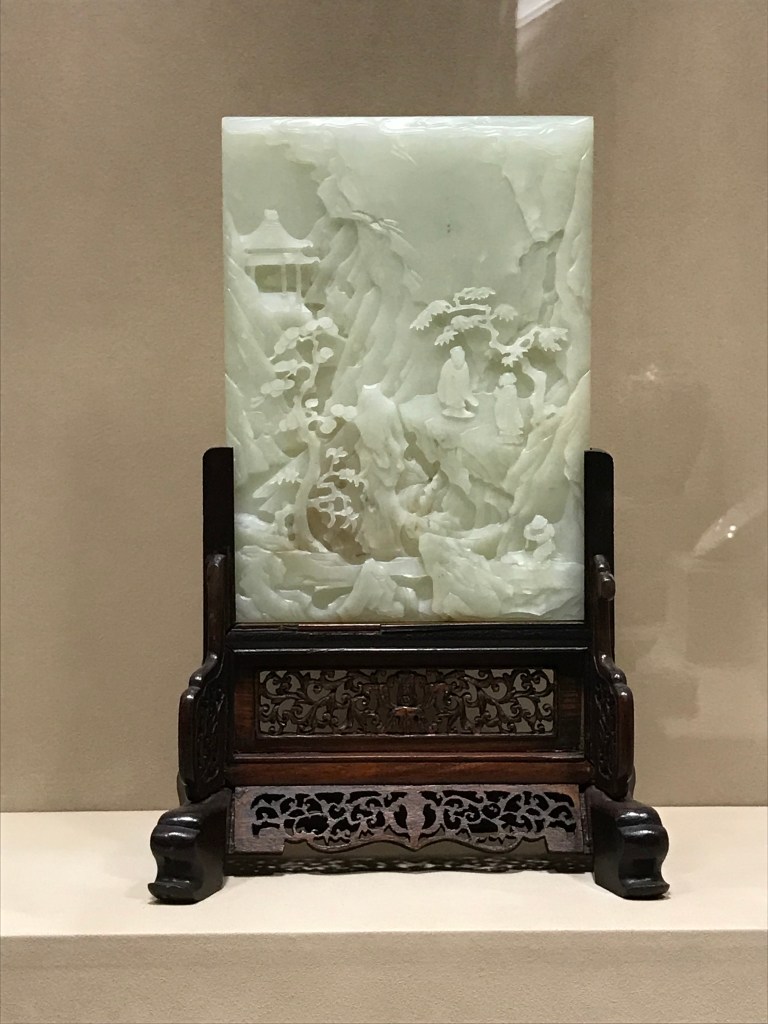

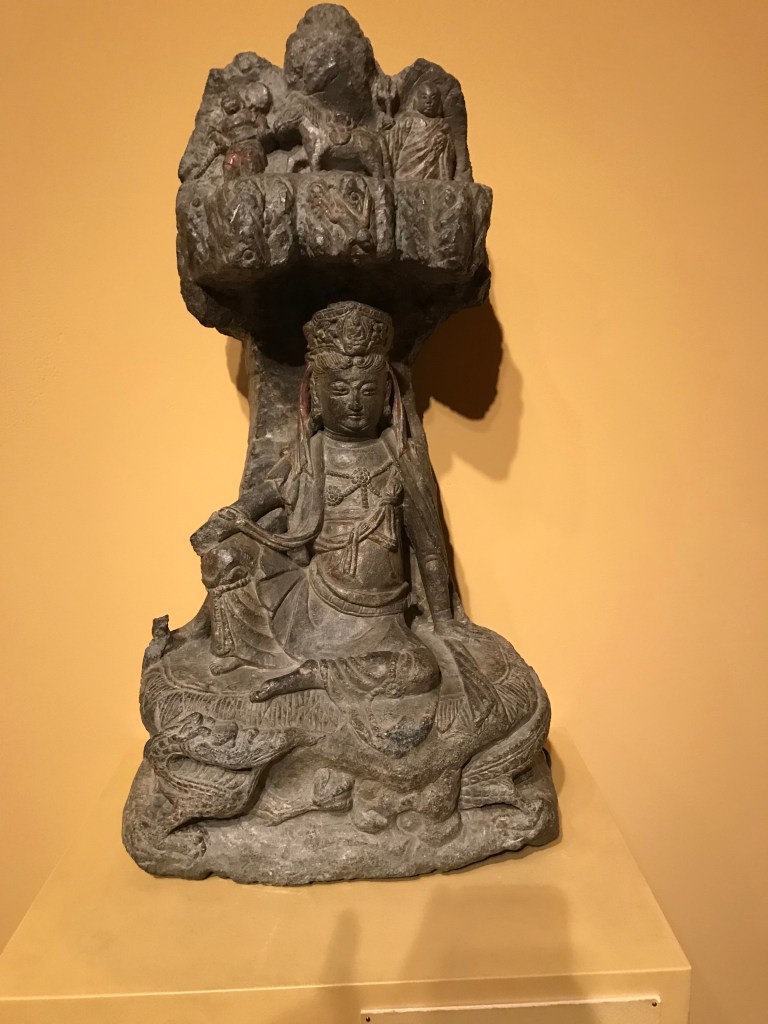
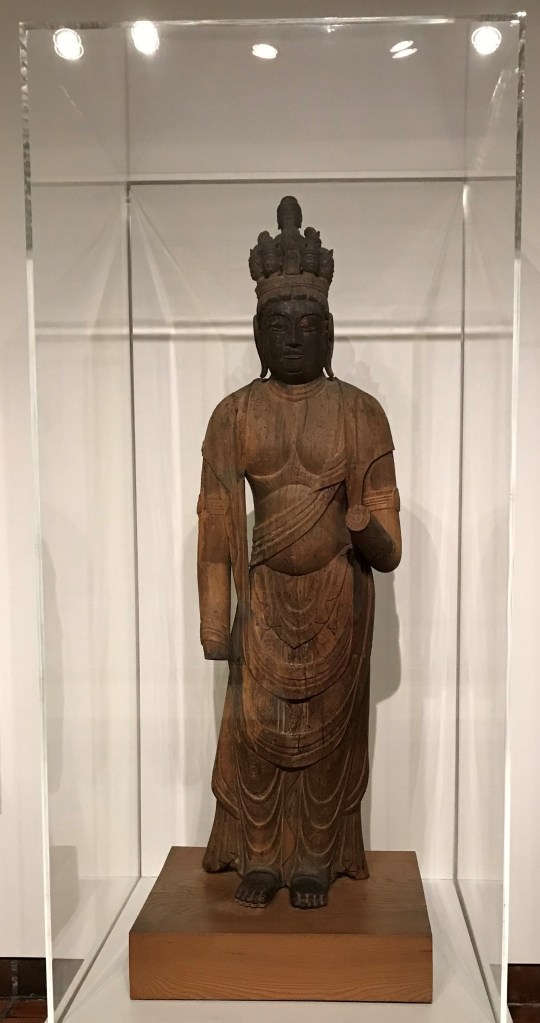
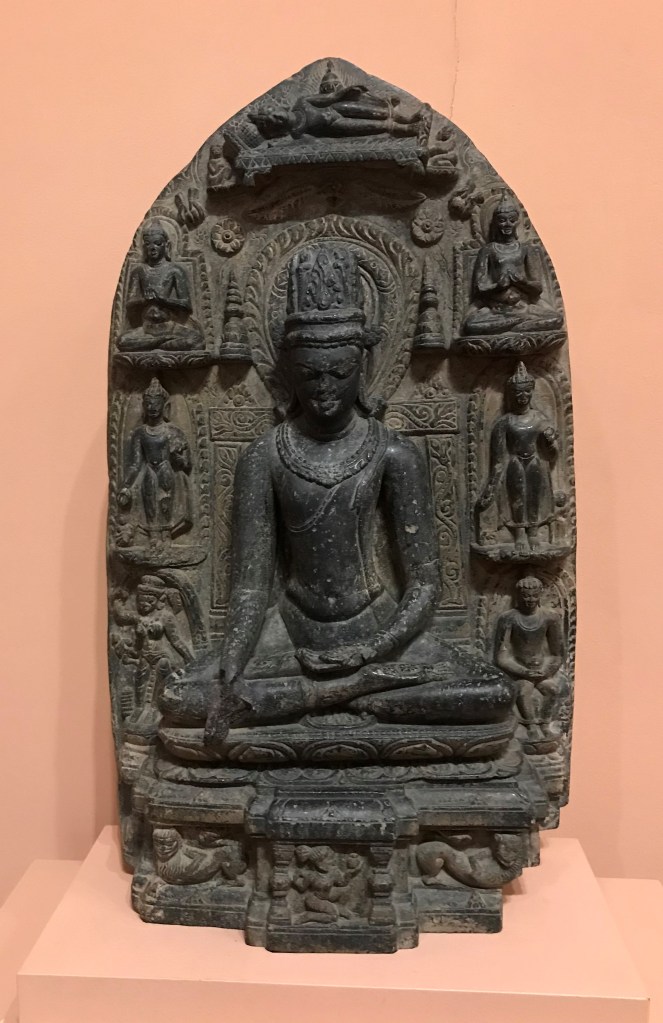

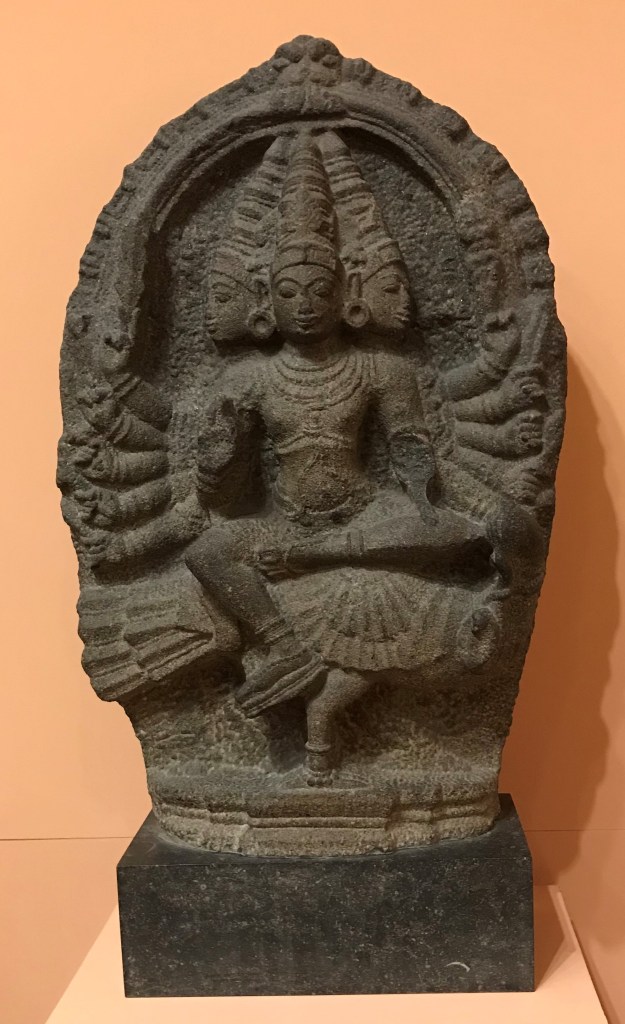
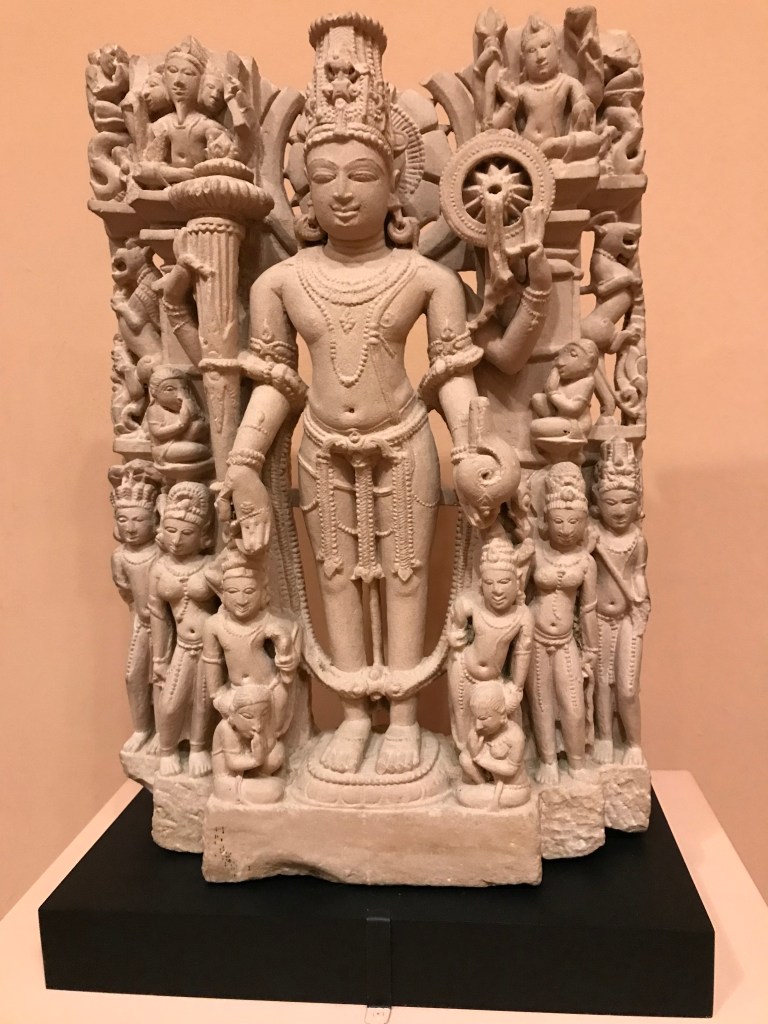
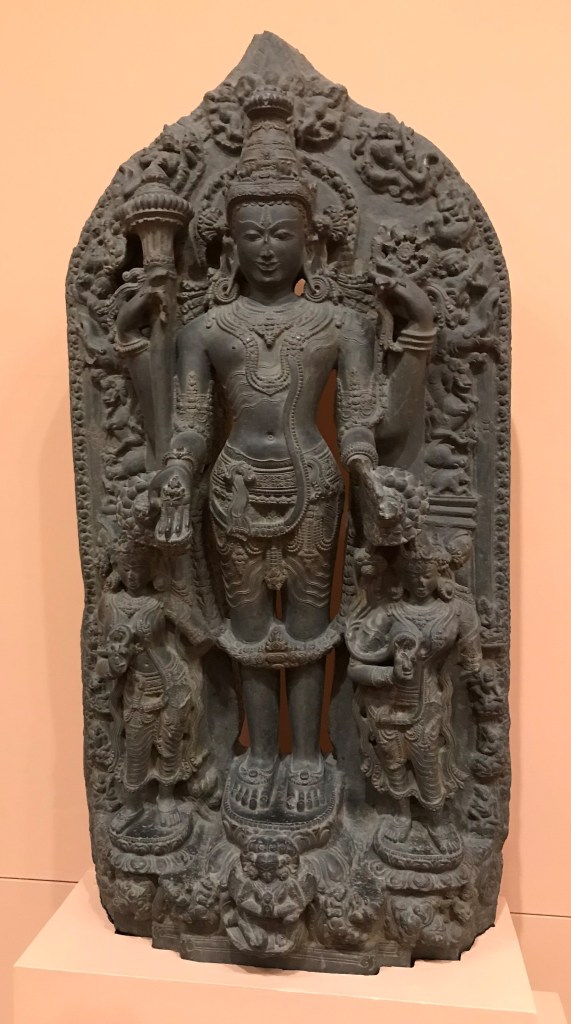
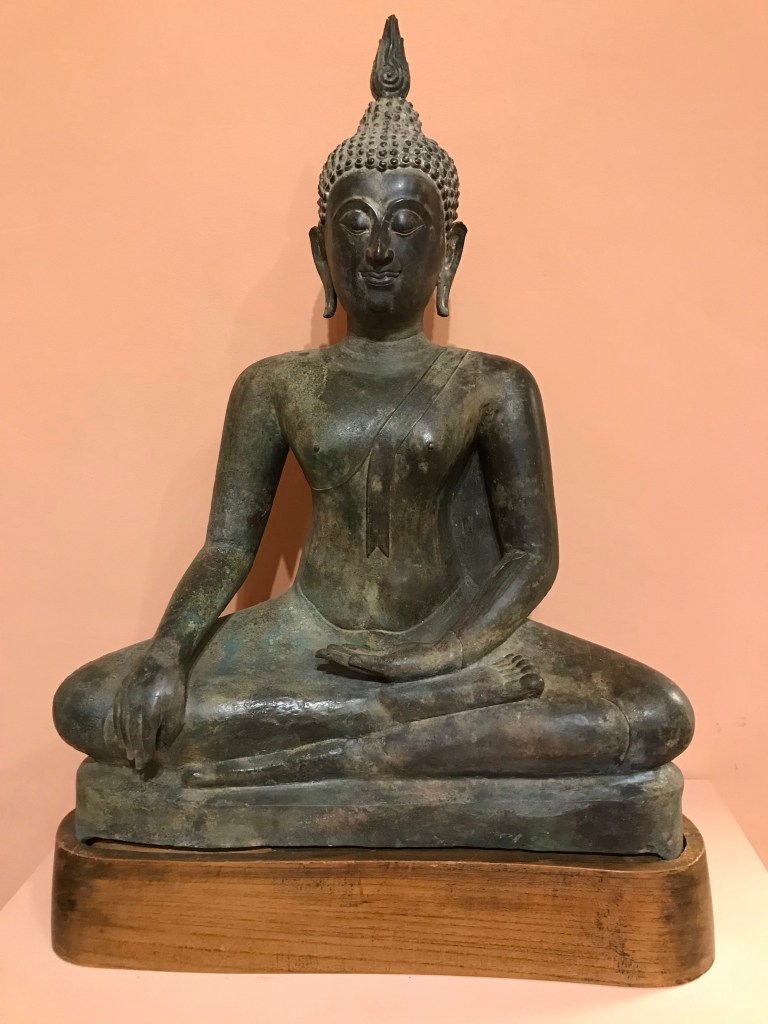
Feeling like I buried the lead somehow, the following images are works from various famous artists. For such a small museum, WAM houses an incredible number of original pieces, not reproductions. Having visited larger museums and viewing such masterpieces before, I was stunned at how up close and personal that I could get to the actual works. There is absolutely no way to explain the difference between viewing something at six feet, as opposed to, inches. Every nuance, shadow and brush stroke was visible. Getting chills just thinking about the experience.

Claude Monet ~ Water Lilies, 1908 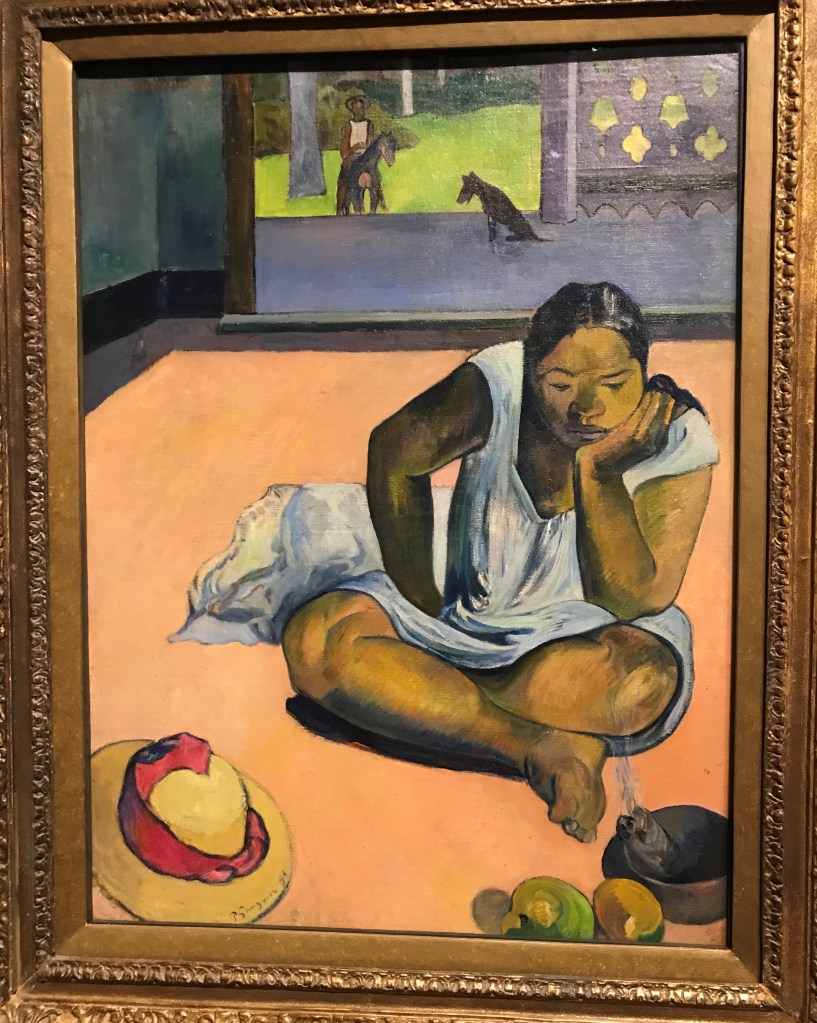
Paul Gauguin ~ Te Faaturuma, 1891 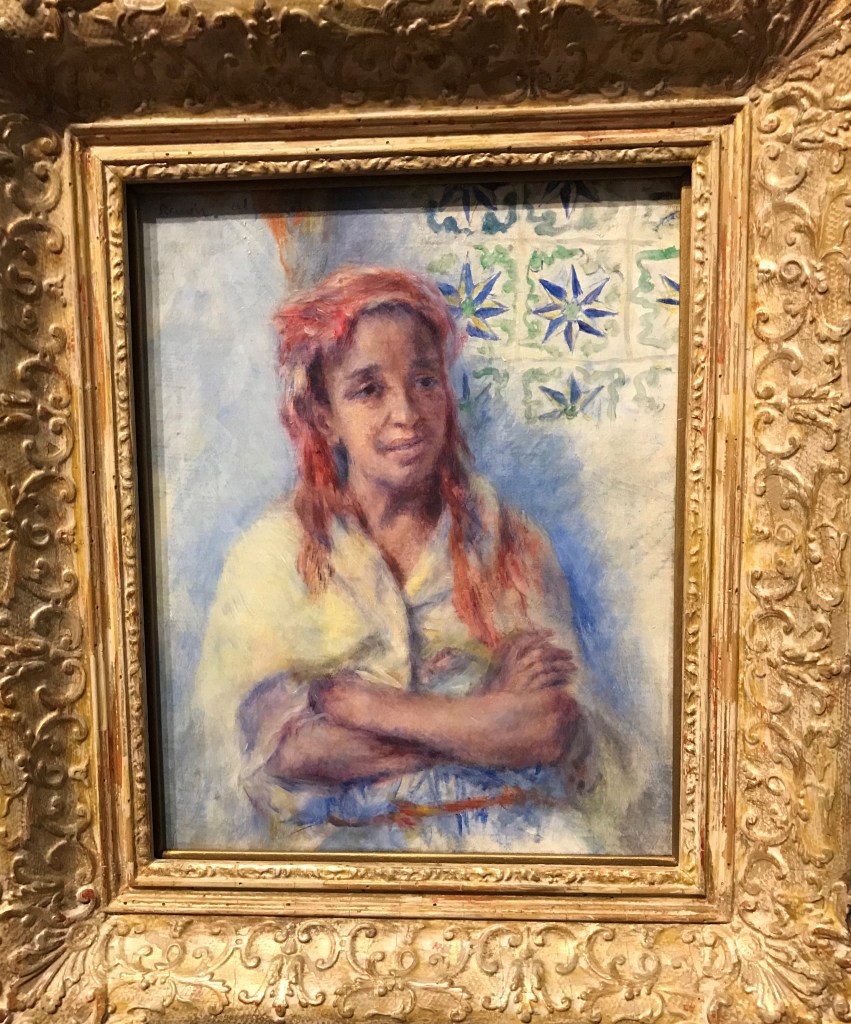
Pierre-Auguste Renoir ~ Old Arab Woman, 1882 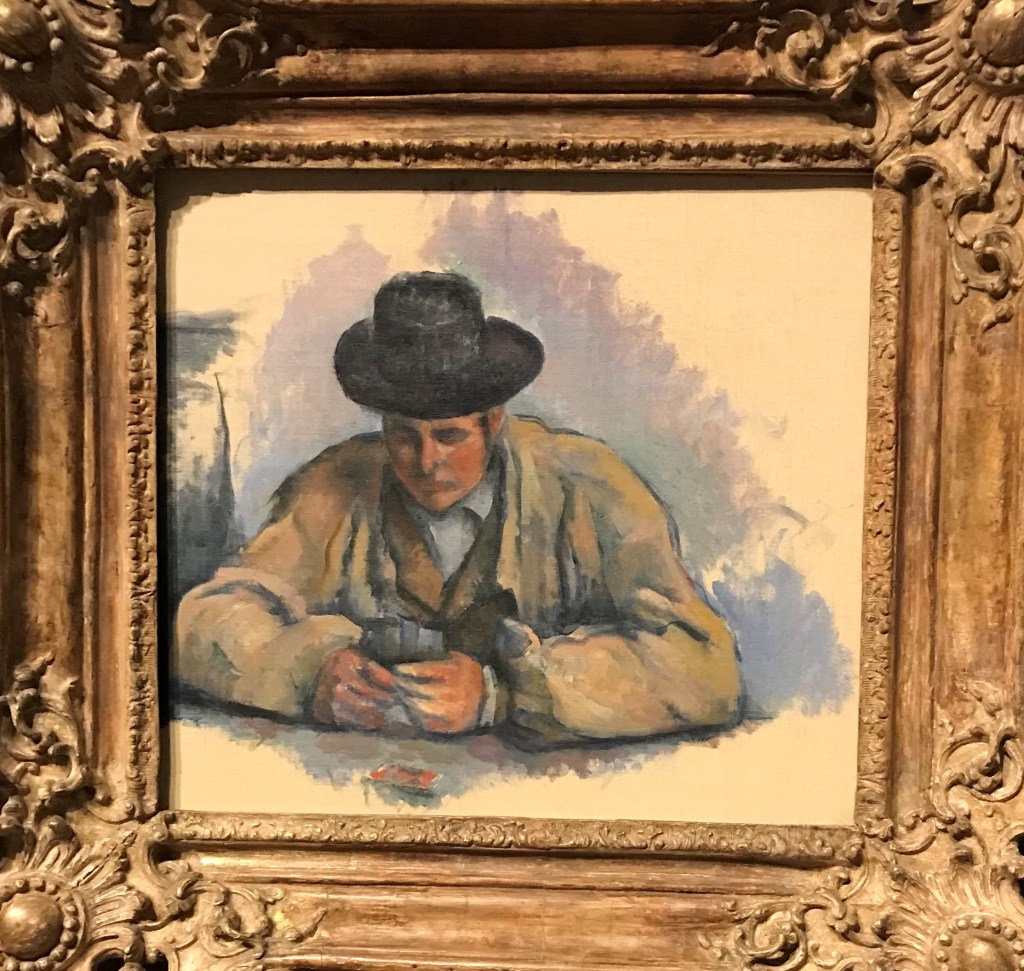
Paul Cezanne ~ Study for the Card Players, 1890-1892 
Vassily Kandinsky ~ Untitled, No. 629, 1936
Wishing that Brandon was along, some pieces in particular reminded me of him and things that he would like. No further explanation or description, enjoy another slide show.
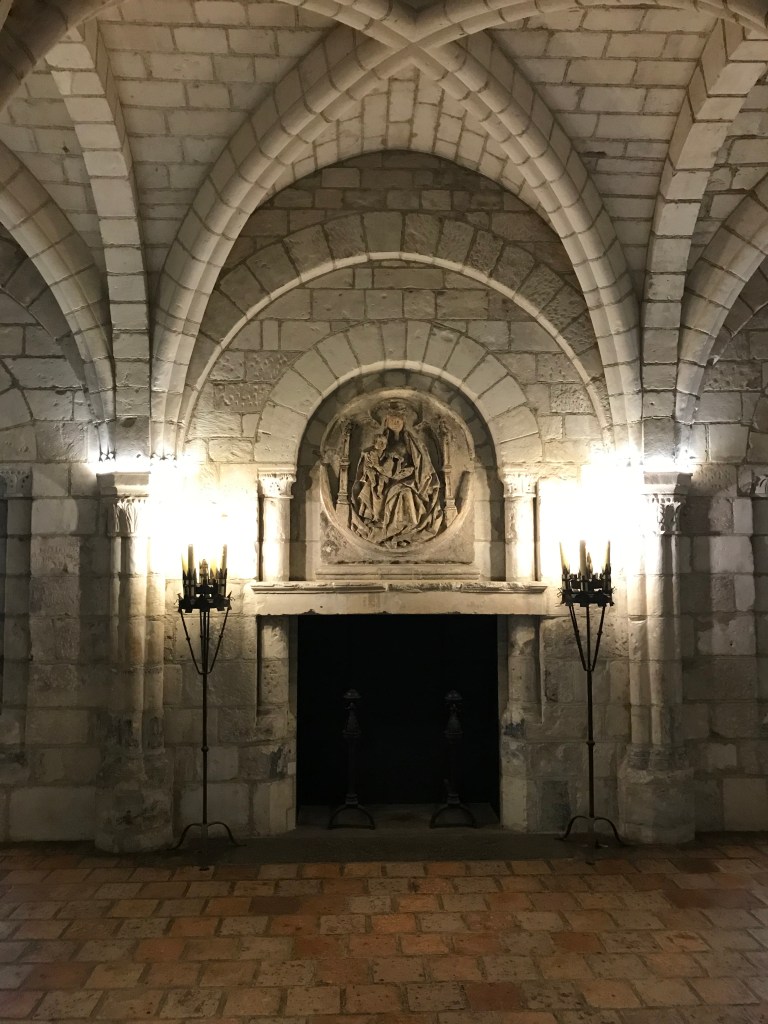

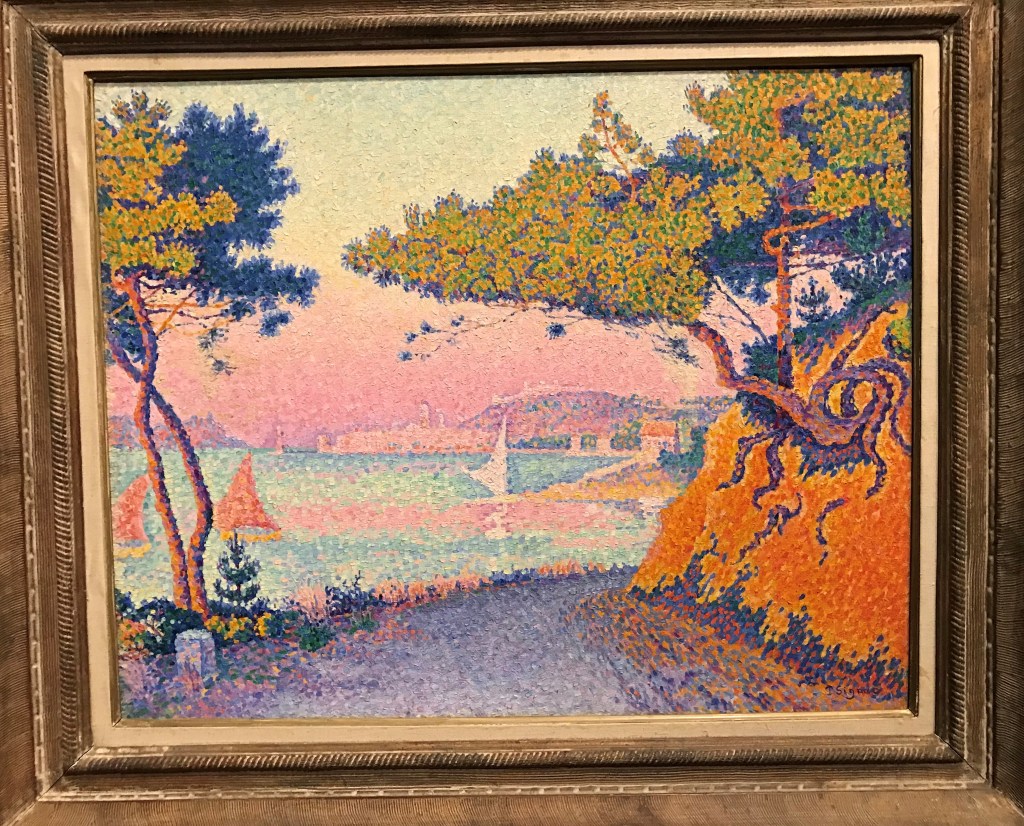

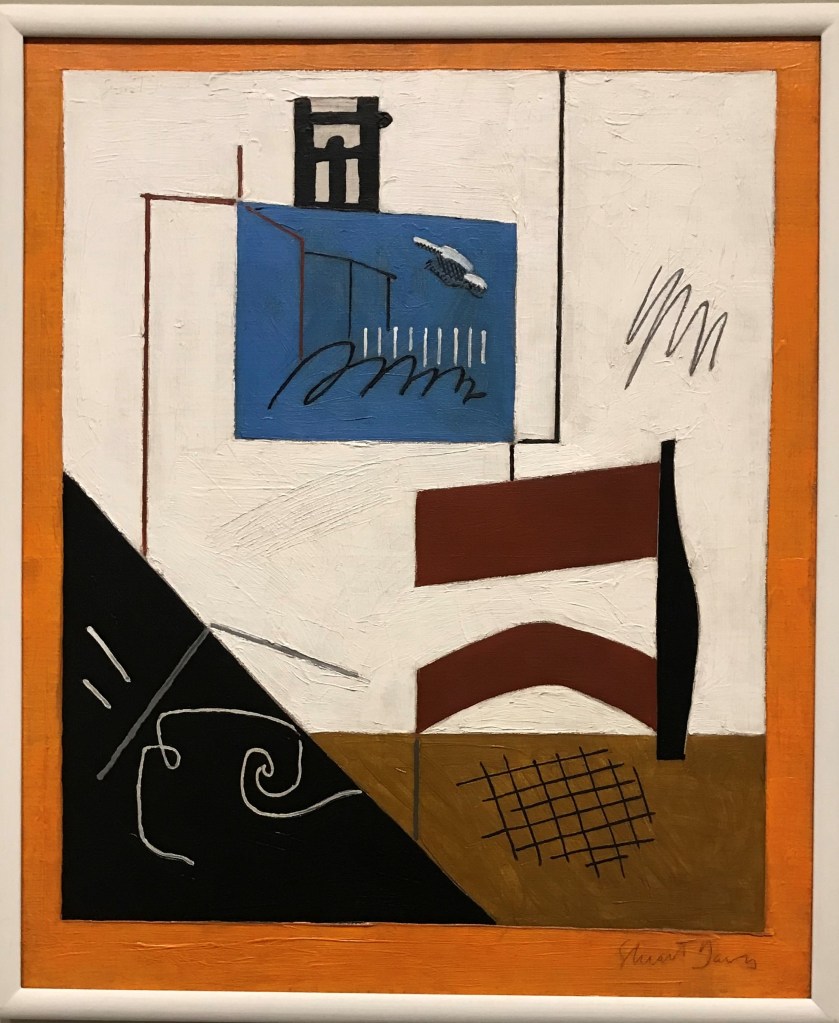
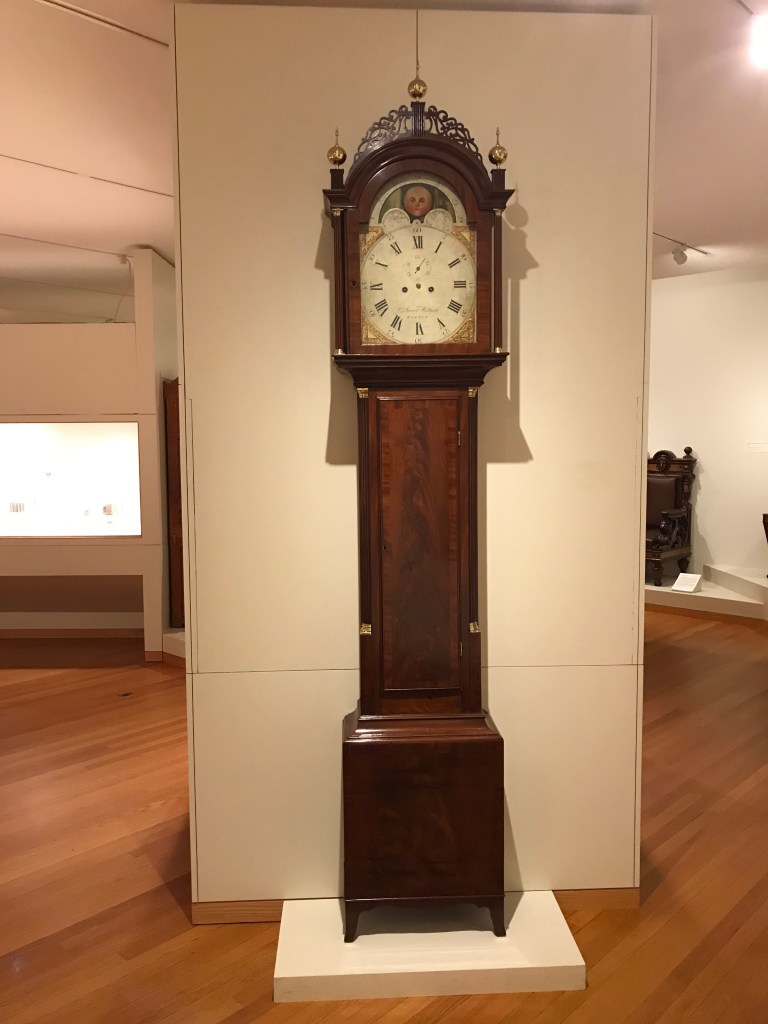


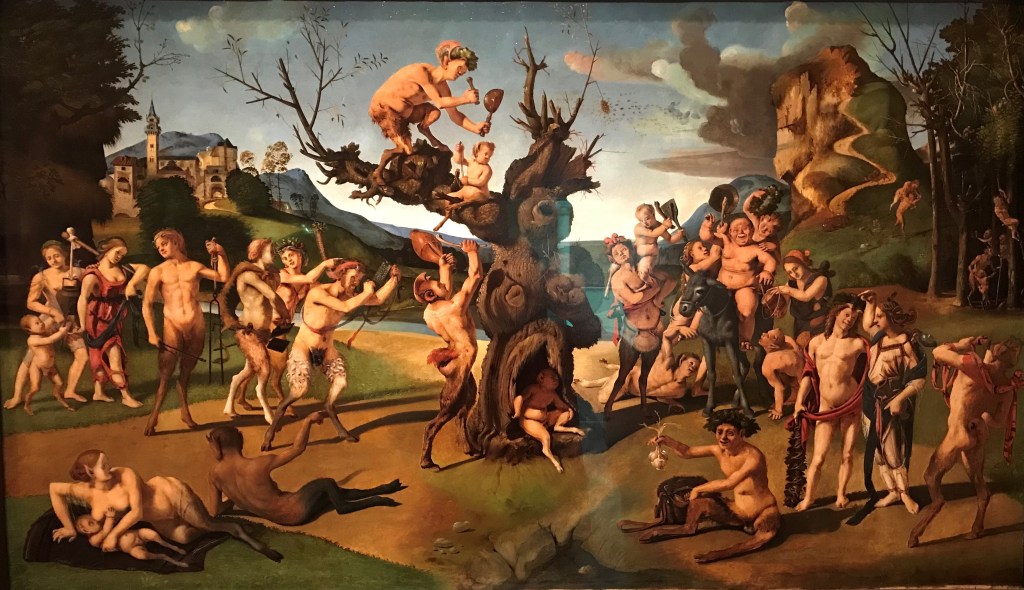
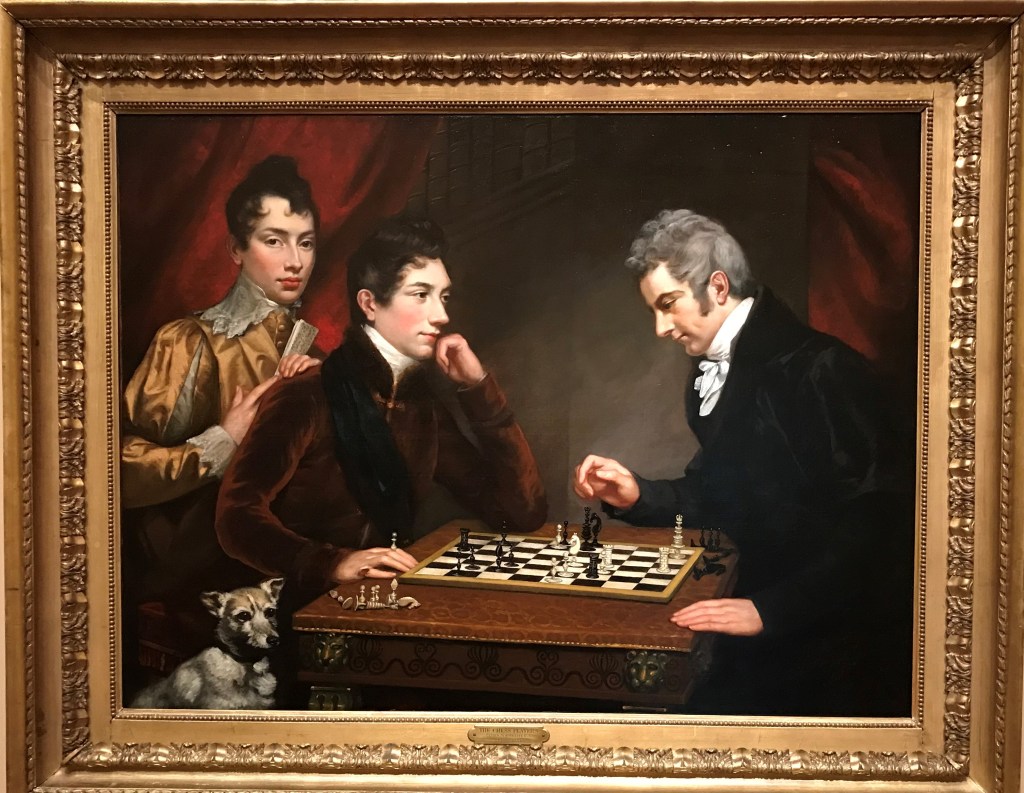
There are a few more images that I really enjoyed, this one titled The Discovery Of Honey , was particularly entertaining. Look for a full description at the very bottom of this blog. The next painting, Chess Players by James Northcote fascinated me, the two young dandies are just so handsome and the silver fox isn’t bad either. The 3rd painting held my interest, as the phrase, “the artists perspective was problematic”, was featured on the wall plaque. After viewing it, what do you think? <insert giggle>


Now, the part of this blog that everyone has been waiting for, the dining. Here’s hoping that it is the food portion and not the end of this post, that you were waiting for. I’m fine with a little bit of both. As usual, Missy, had chosen a perfectly marvelous eatery with a bit of history.
“The Boynton was originally a small tavern in the 1930’s most often frequented by Worcester Polytechnic Institute (WPI) professors, students and the general neighborhood population. The name “Boynton” seems to have been the popular name of choice during a bygone era. Nearby is Boynton Street, Boynton Hall (the main administration building of WPI), and Boynton Park. The frequent use of the name “Boynton” originates from John Boynton, one of the founding fathers of Worcester Polytechnic Institute. John Boynton used his life savings to establish a school to provide a scientific education to the youth of Worcester.
In 1969, James John and his wife, Irene, purchased the tavern. In 1980, they added a full restaurant to enlarge their offerings by purchasing the dress shop next door and doing some obvious construction to the property. March of 2004 marked a huge transformation for the Boynton as major renovation took place and the John family now operates one of the finest kitchens and a bar with the most sophisticated tap systems in the city. (51 beers on tap including 3 cask ales!)
Although they have gone through many changes since the 30’s, two things have remained the same: The longtime name of the tavern/ restaurant and the high quality and freshness of the goods sold here. As always, we offer great food at great prices.”
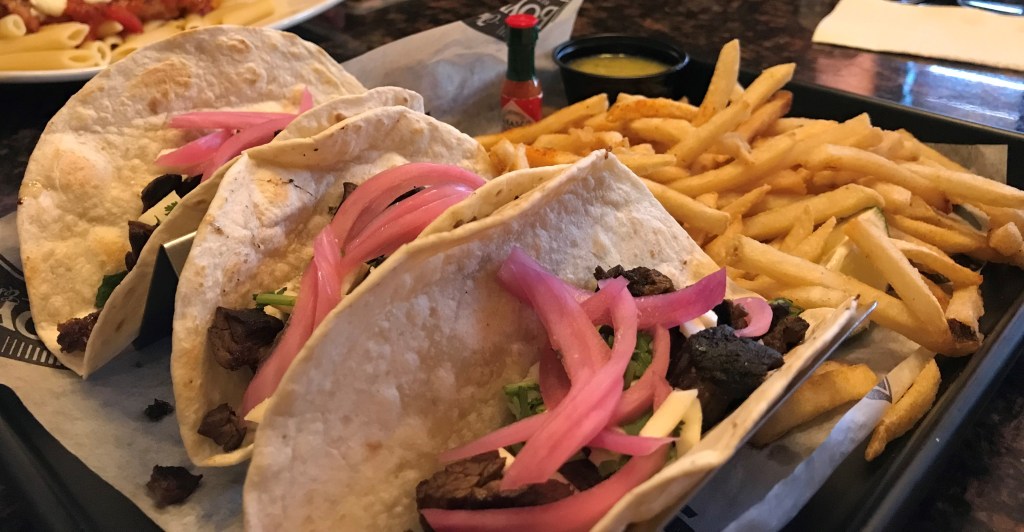

We entered the Boynton from the parking lot and walked through a very well set up outside dining area of about 20 tables, we decided to dine inside instead. The restaurant had a very pleasant ambiance, we were seated at a raised booth with a view of the bustling street out front. Noticing a trend of every place having a version of soft shell tacos, normally, with unusual fillings, I ordered the Carne Asada Street Tacos. They were excellent, but the addition of pickled onions and cotija cheese were the only innovations. Missy opted for the Chicken Parmigiana. She enjoyed it and it smelled amazing, the portion was quite hefty. We enjoyed the dull murmur of other patron’s conversations going on in the background. We returned home with smiles on our faces and enjoyed bingeing more episodes of the Great British Baking Show, before turning in, resting up for the next day’s adventure.
As promised a description of The Discovery of Honey
The Discovery Of Honey – Piero di Cosimo
about 1500-1505 – Oil on panel
Piero di Cosimo painted poetically. While many Renaissance artists used classical texts like the writings of ancient Roman poet Ovid as source material, the imaginative nature of Piero’s interpretation of the epic Fasti is exceptional.
The Roman deity Bacchus, god of wine and revelry, appears in the right foreground beside his cohort, Ariadne. A raucous crew of satyrs and wood nymphs accompanies him. They bang on pots and pans as they process, using the noise to lure a swarm of bees into a hollow trunk. In the background, a wild and foreboding landscape is juxtaposed with an idyllic town. The Discovery Of Honey is a high-spirited adaptation of that traditional pastoral scene. Bacchus’s taming of the honeybees is a great advancement in the history of civilization, with the implication that the capture of this sweet staple will sophisticate the deity and his company.
 Our Pet Peeve's
Leave a comment